- A period of prosperity in the second half of the 19th century. Industrial development: milling, clay exploitation and the railway.
- The railway connected Kikinda with Szeged and Timișoara.
- A late-19th-century city map shows that the town’s layout changed very little.
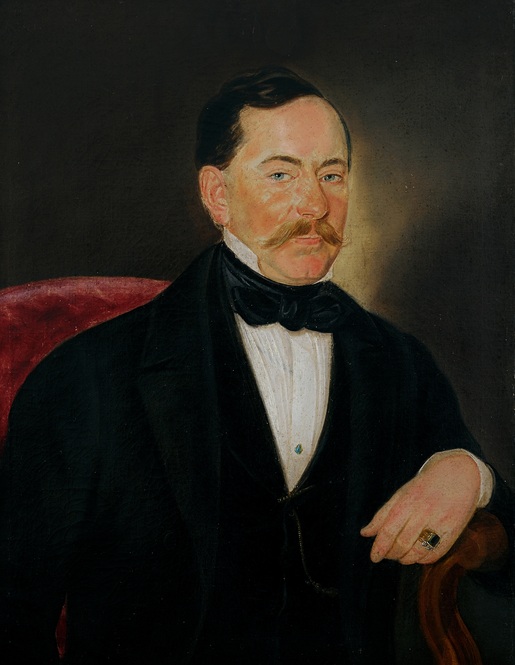
- Portraits of notable citizens hang on the walls (paintings by Nikola Aleksić); the Budišin family is highlighted.
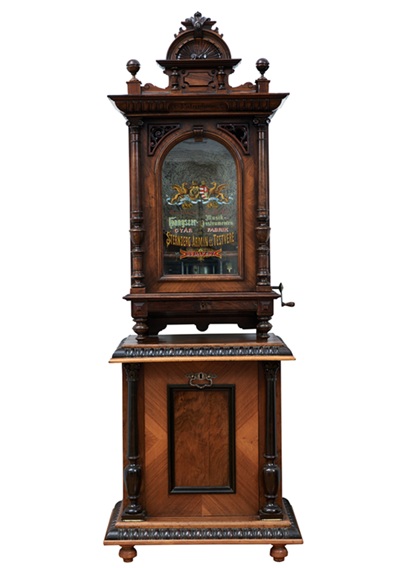
- A special exhibit: a polyphon, a mechanical musical instrument from Budapest, late 19th century.
Gallery: