Stevana Nemanje 34
Open for visits in the summer season
April – November
Thu –Sun 11h–18h;
Mon – Wed - closed.
+381 13 838053


Stevana Nemanje 34
Welcome to one of the most important medieval fortresses in Banat!
Situated on a picturesque hill rising 399 meters above sea level, this monumental fortress offers not only a fascinating history, but also breathtaking views of the Banat Plain.
The past of the fortress, known as Erdšomljo, tells a story of intense struggles between Hungarian kings and Serbian despots. As you explore its walls, you will feel the spirit of an era when these solid structures guarded vital trade routes between the Danube and the Tamiš River. Get ready to discover the rich heritage of Vršac and enjoy unforgettable panoramas that will truly take your breath away. Enjoy your adventure!
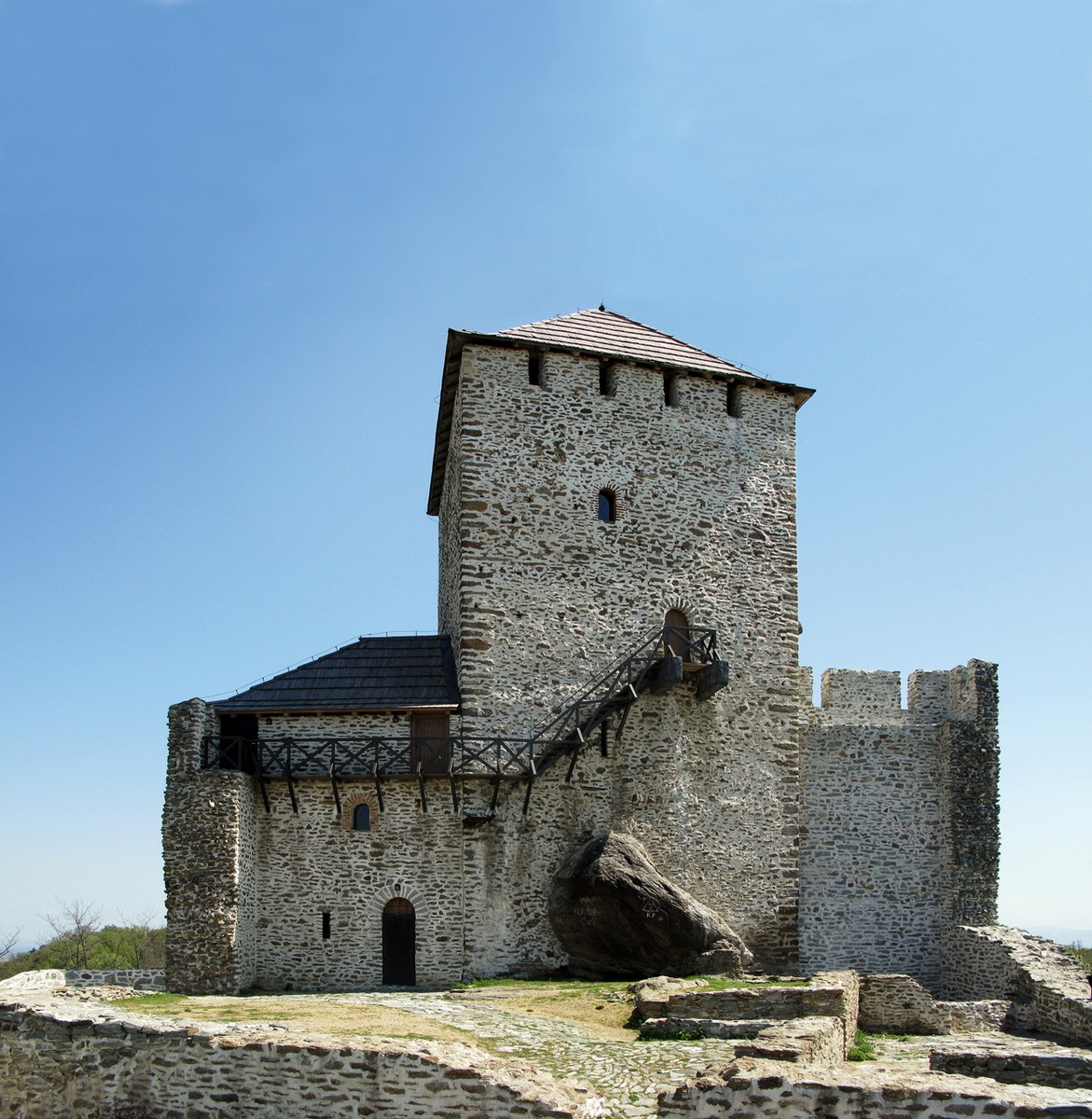 ©gmv
©gmv
Vršac Castle, or Vršac Tower, was built on a hill 399 meters above sea level In the decades after the Mongol invasion, it is believed that the Castle in Vršac was also built, and the first preserved information about it dates from 1323. At the beginning of the 15th century,...
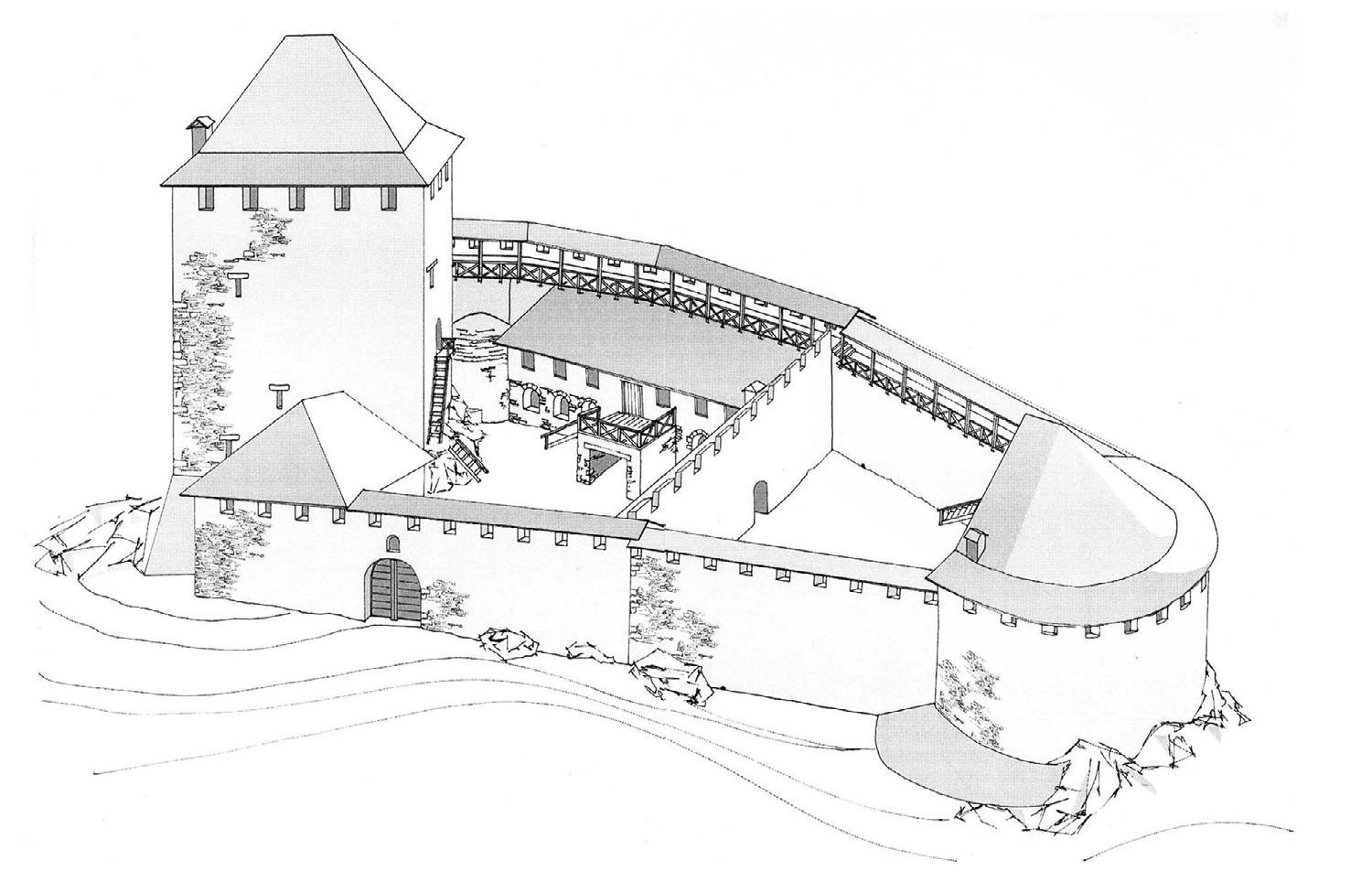
Built on a 399 m high hill, Vršac Fortress was a key medieval stronghold in Banat. Known as Erdšomljo, it controlled routes between the Danube and Timișoara. The fortress developed from the 13th century and peaked in the 14th–15th centuries. It passed between Hungarian kings and Serbian despots. Ottoman pressure...
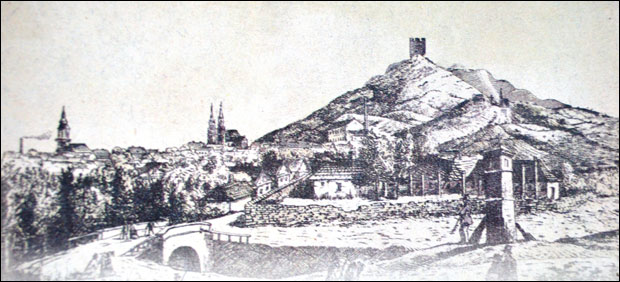

• Vršac was long without reliable written sources. • In 1934, Petru Olde first identified it with medieval Erdšomljo. • Final confirmation came from Ottoman defters of 1579/1580. • The name Šemlik appears as another name for Vršac. • Both Hungarian and Serbian names derive from the hilltop fortress.

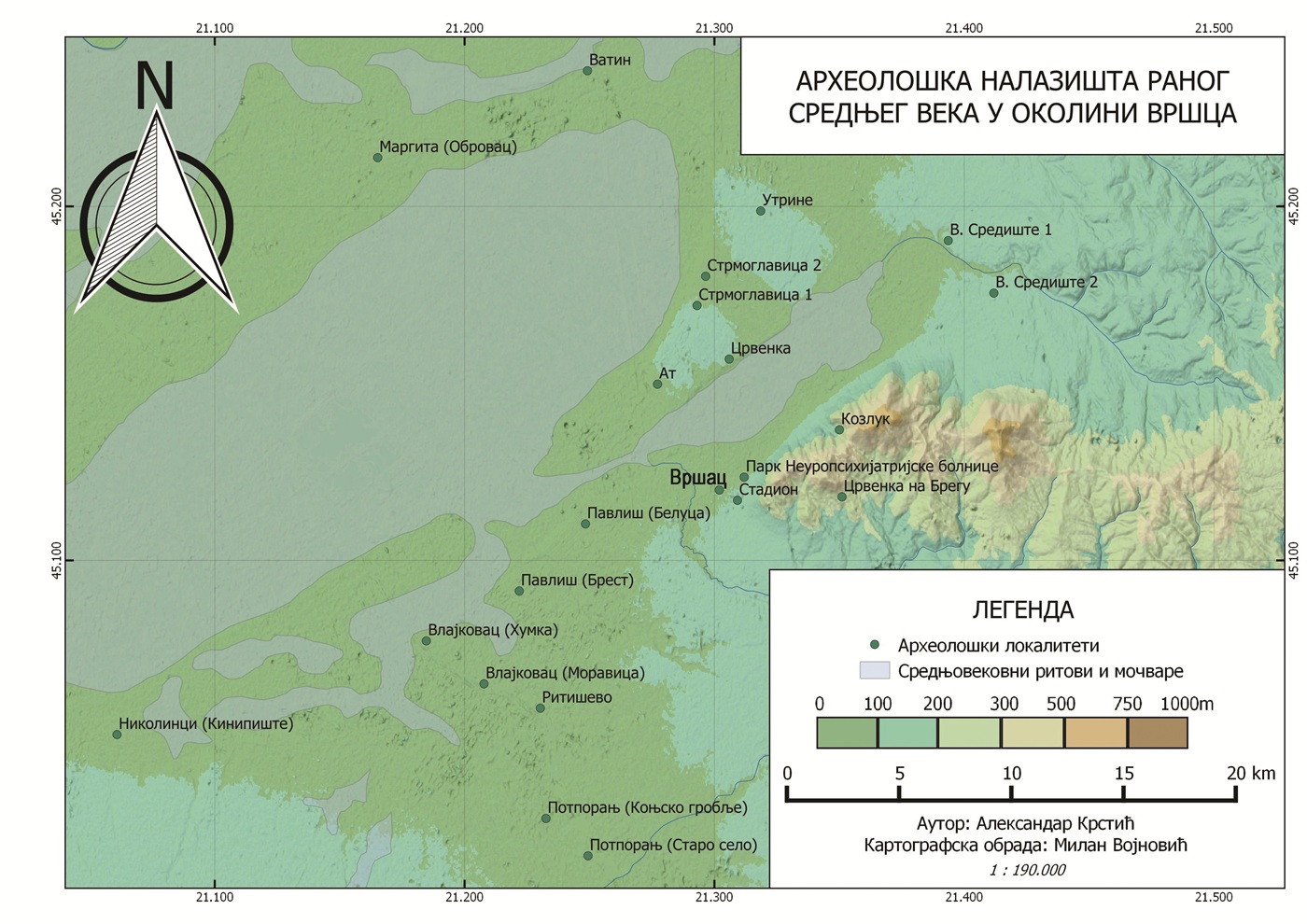
• Vršac developed where lowland and mountainous Banat meet. • Medieval landscapes were dominated by marshes and wetlands. • The area lay on an important route linking the Danube and Timișoara. • From the 6th to 9th century, Banat changed rulers and populations. • Hungarian rule integrated the area into...
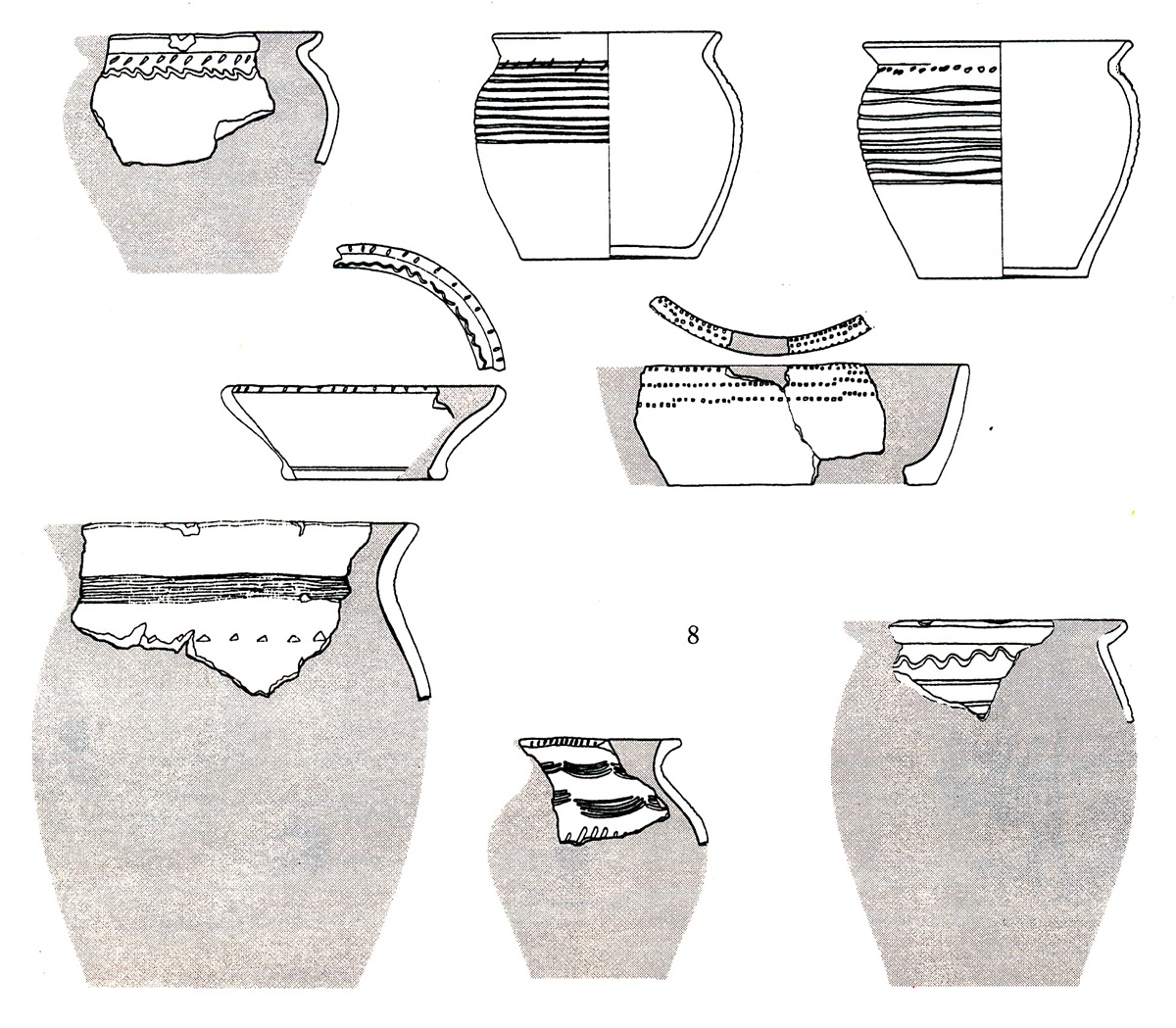
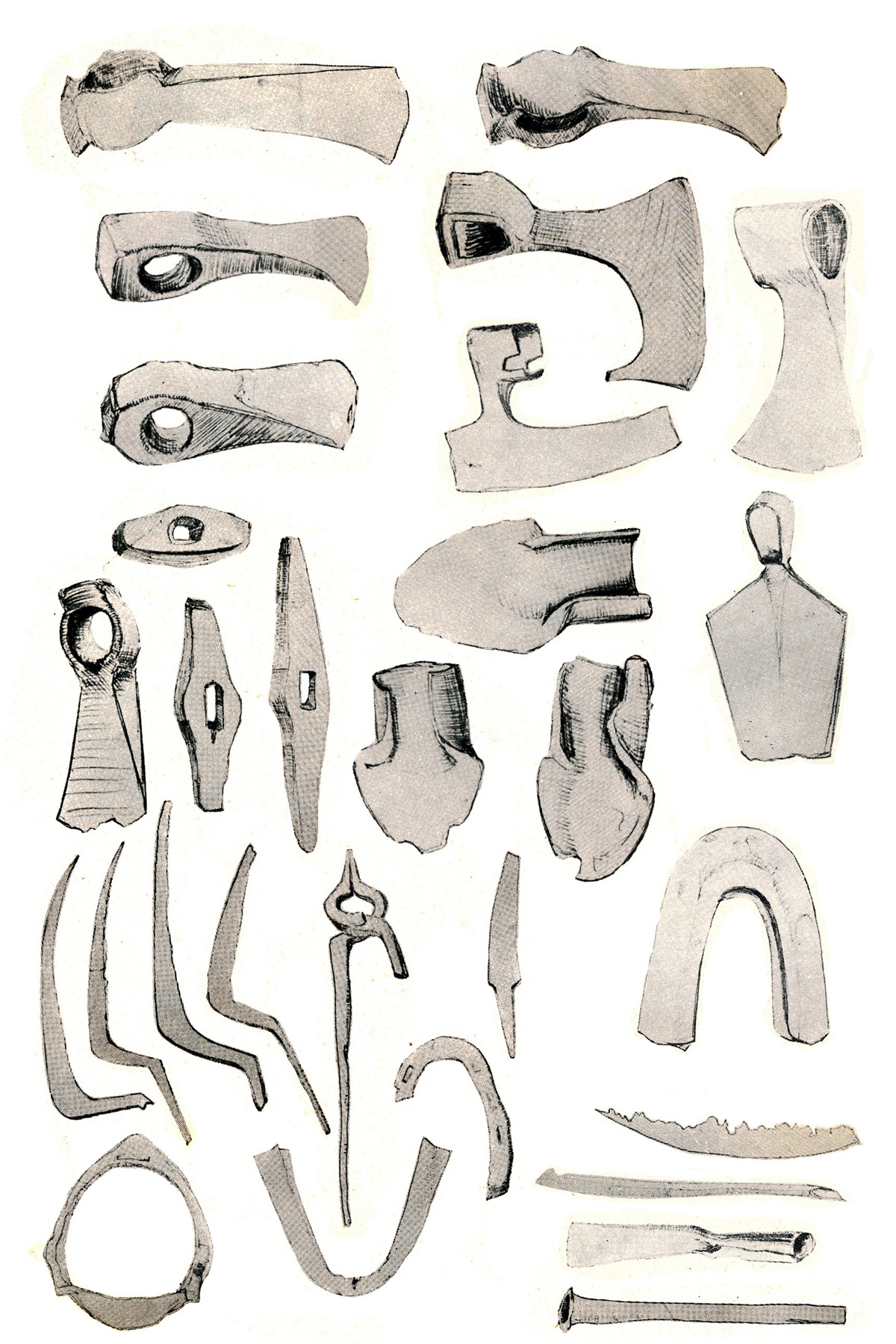
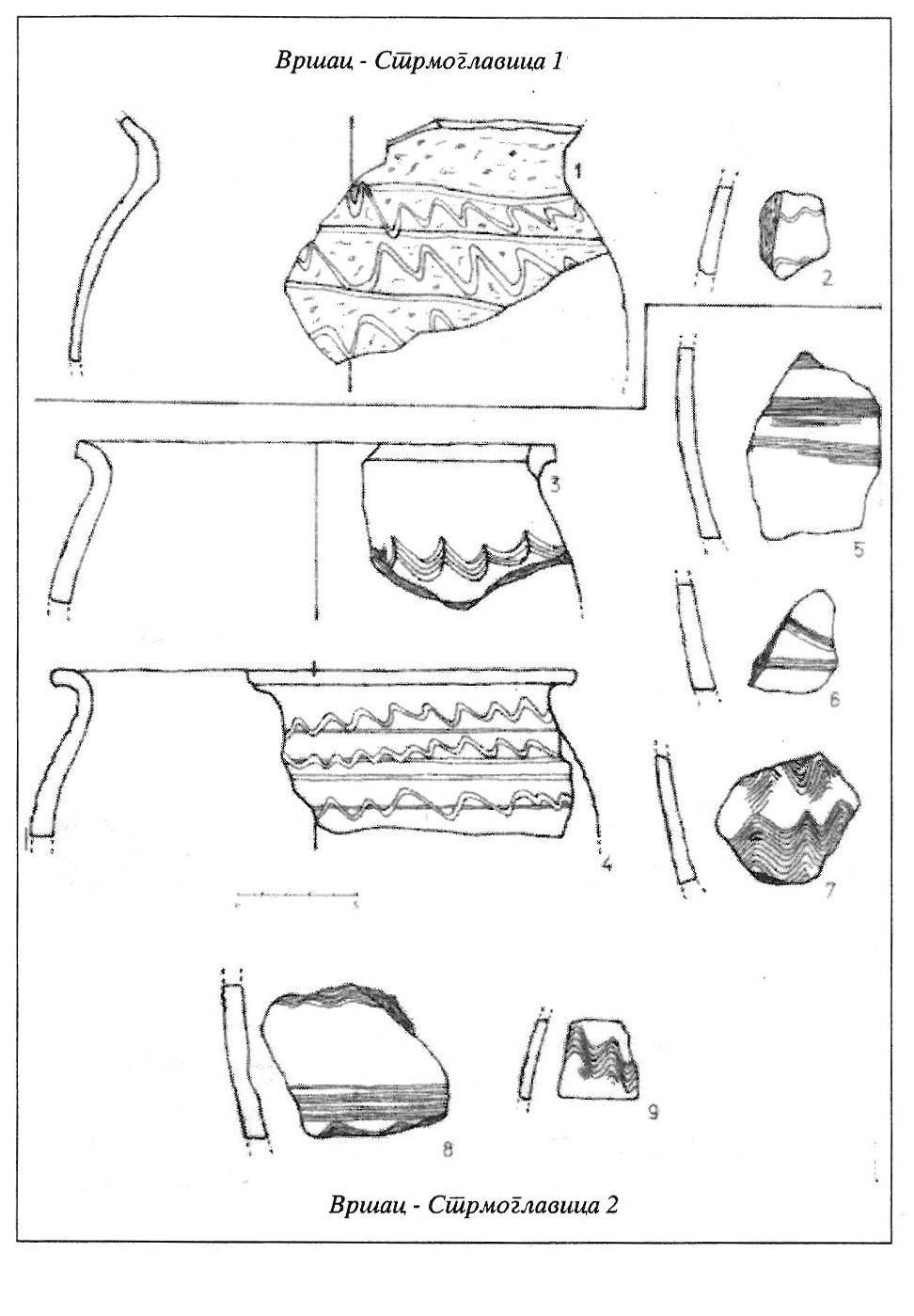
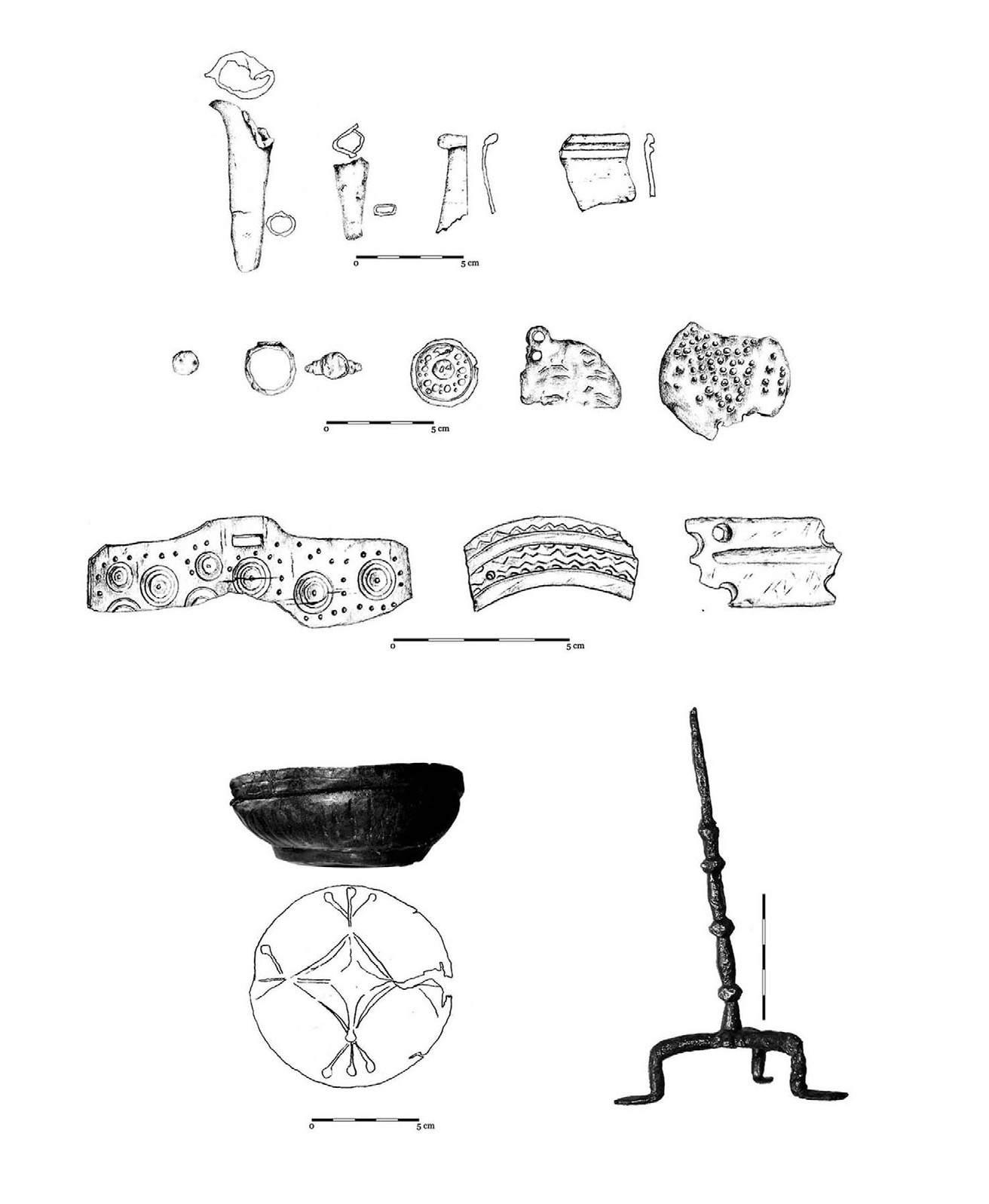
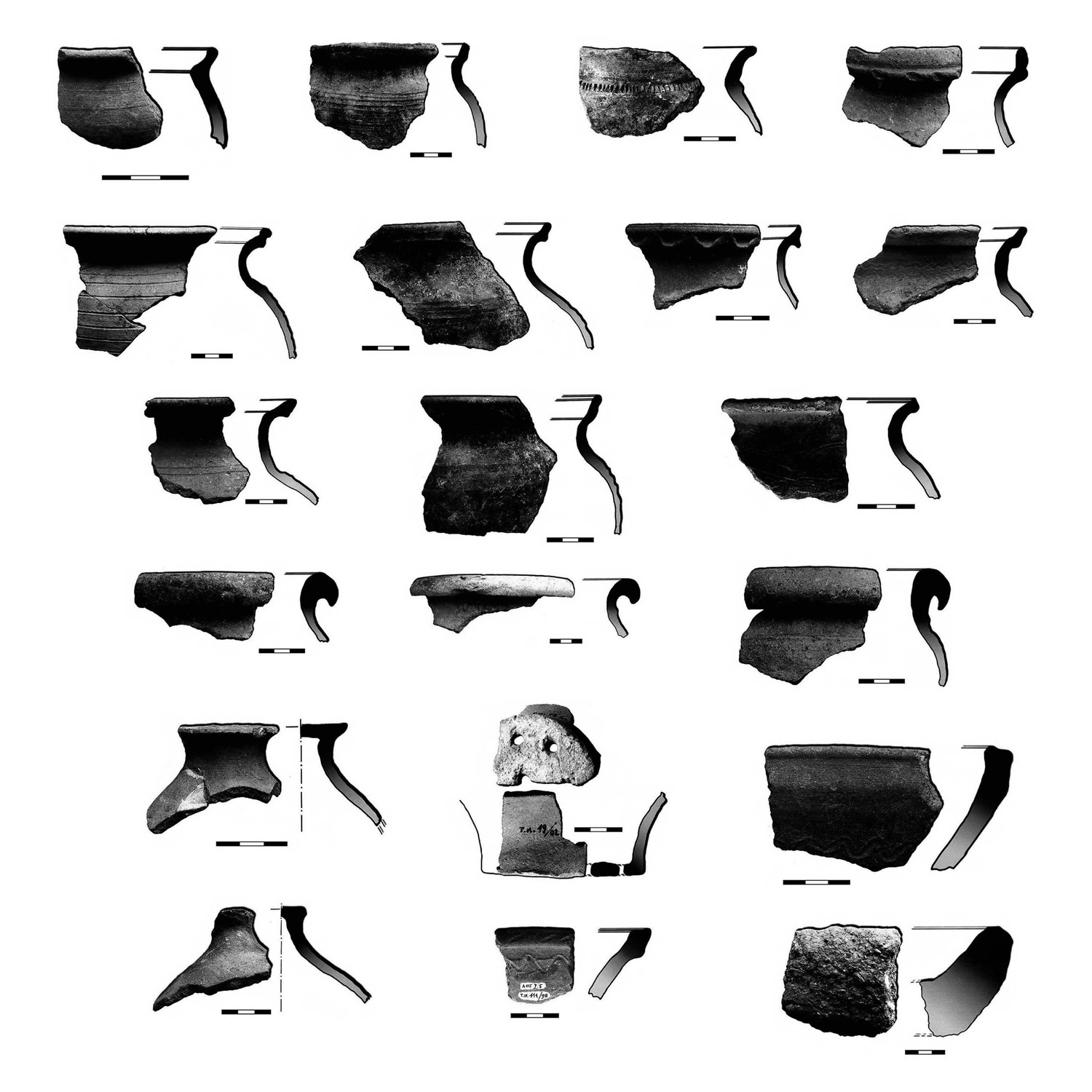
The wider Vršac area was inhabited since prehistoric times. Sites such as At and Crvenka show continuous settlement layers. Finds include pottery, tools, ovens, and sunken houses. Slavic, Sarmatian, and later medieval remains were discovered.
• Political stability returned to Hungary in the 12th–13th centuries. • Erdšomljo is first mentioned in written sources in the 13th century. • It belonged to powerful church and noble estates. • After the Mongol invasion, stone fortifications were built. • The fortress likely dates from the early 14th century.
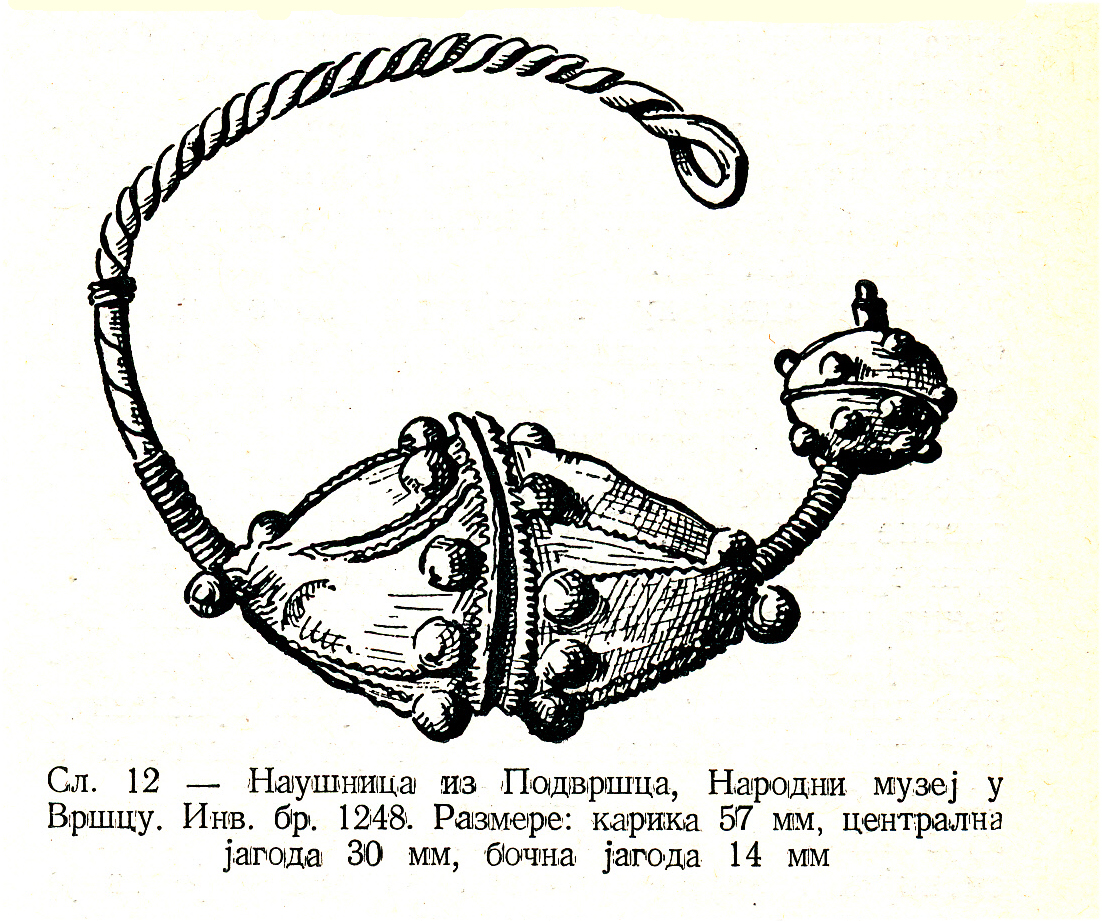
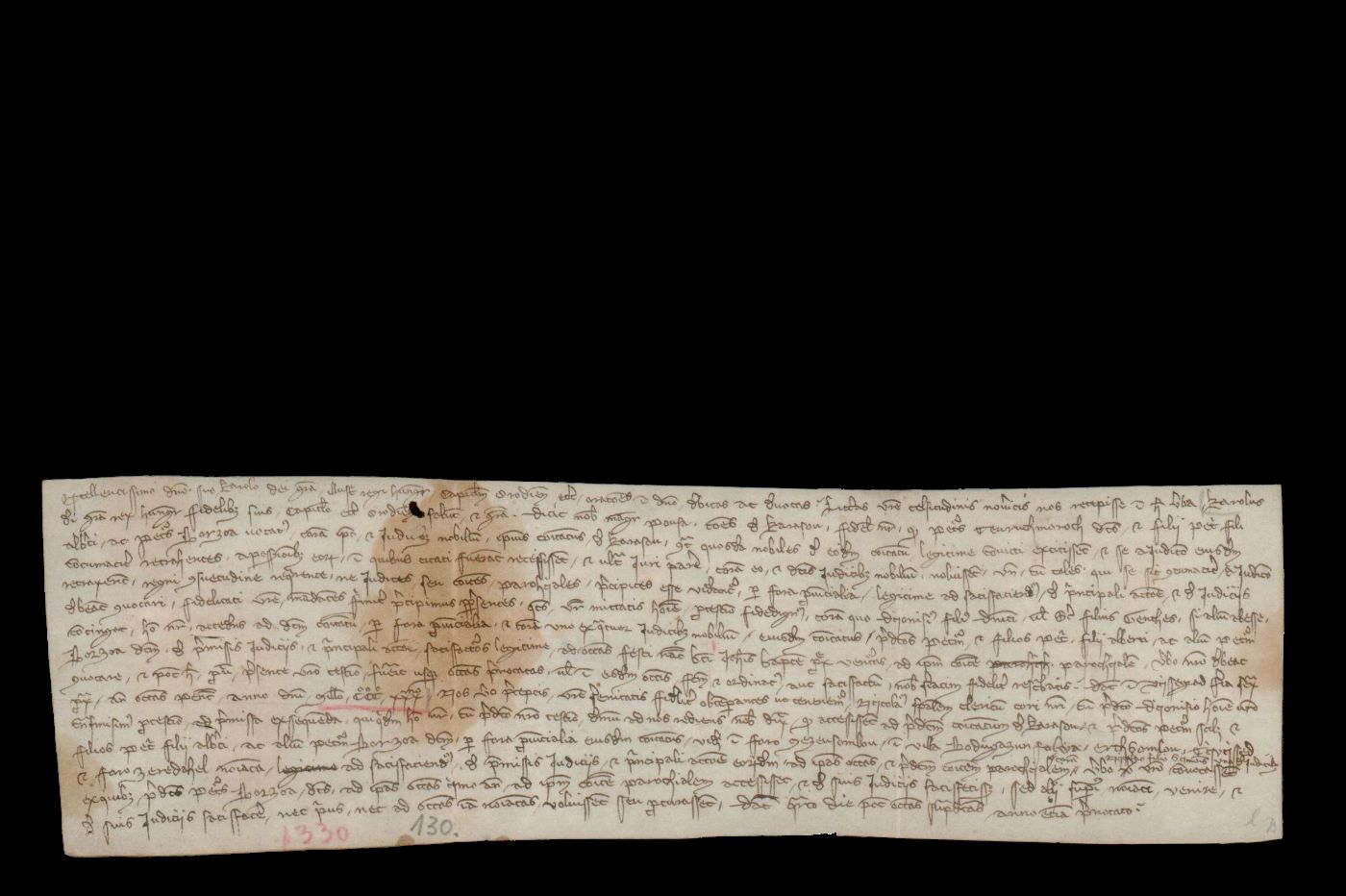
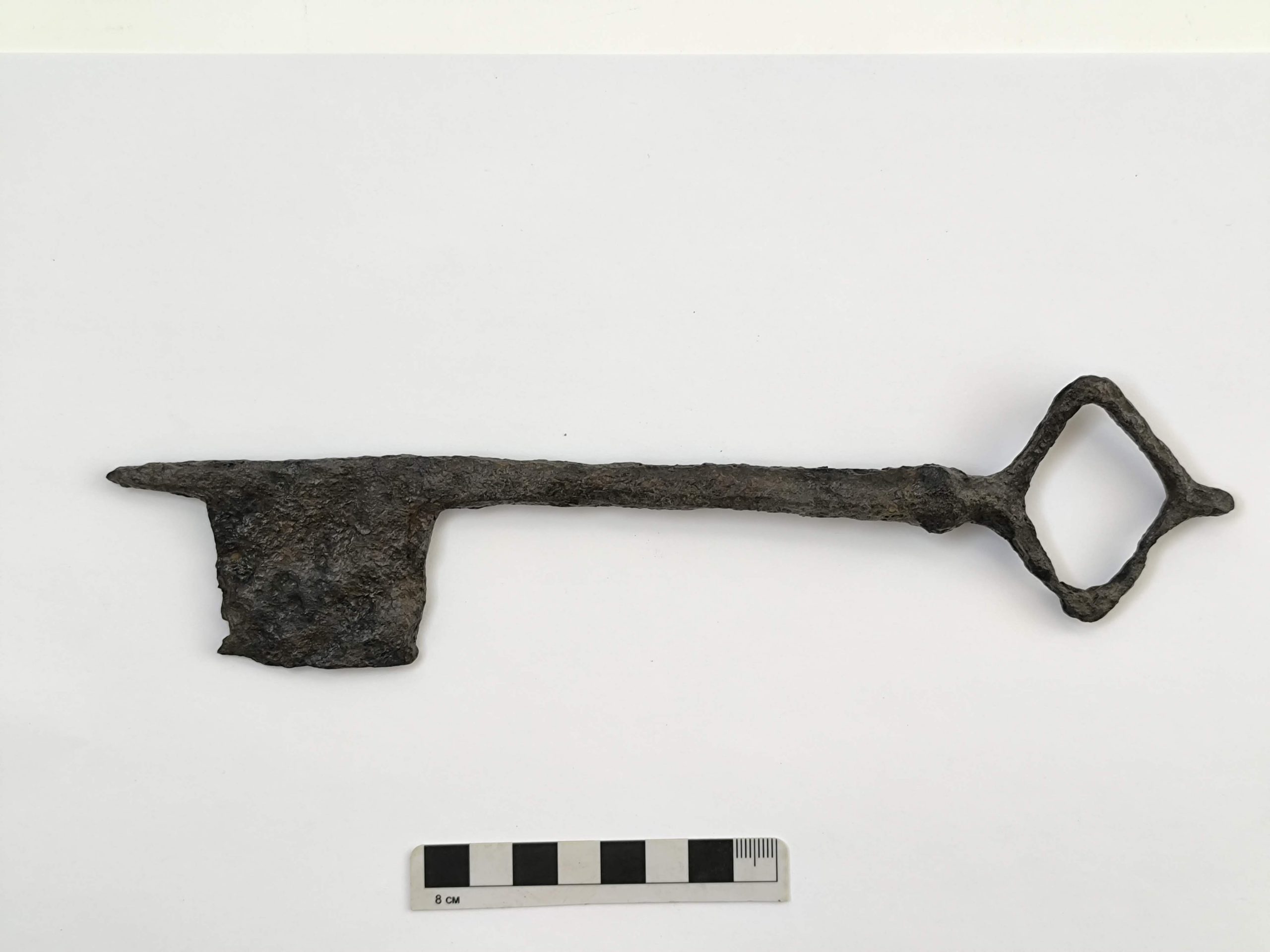
Under the Angevin kings, royal power was strengthened. Estates of defeated nobles were granted to loyal supporters. Erdšomljo was administered by royal castellans. The district included villages, fields, vineyards, and mills. The fortress gained market and fair rights.
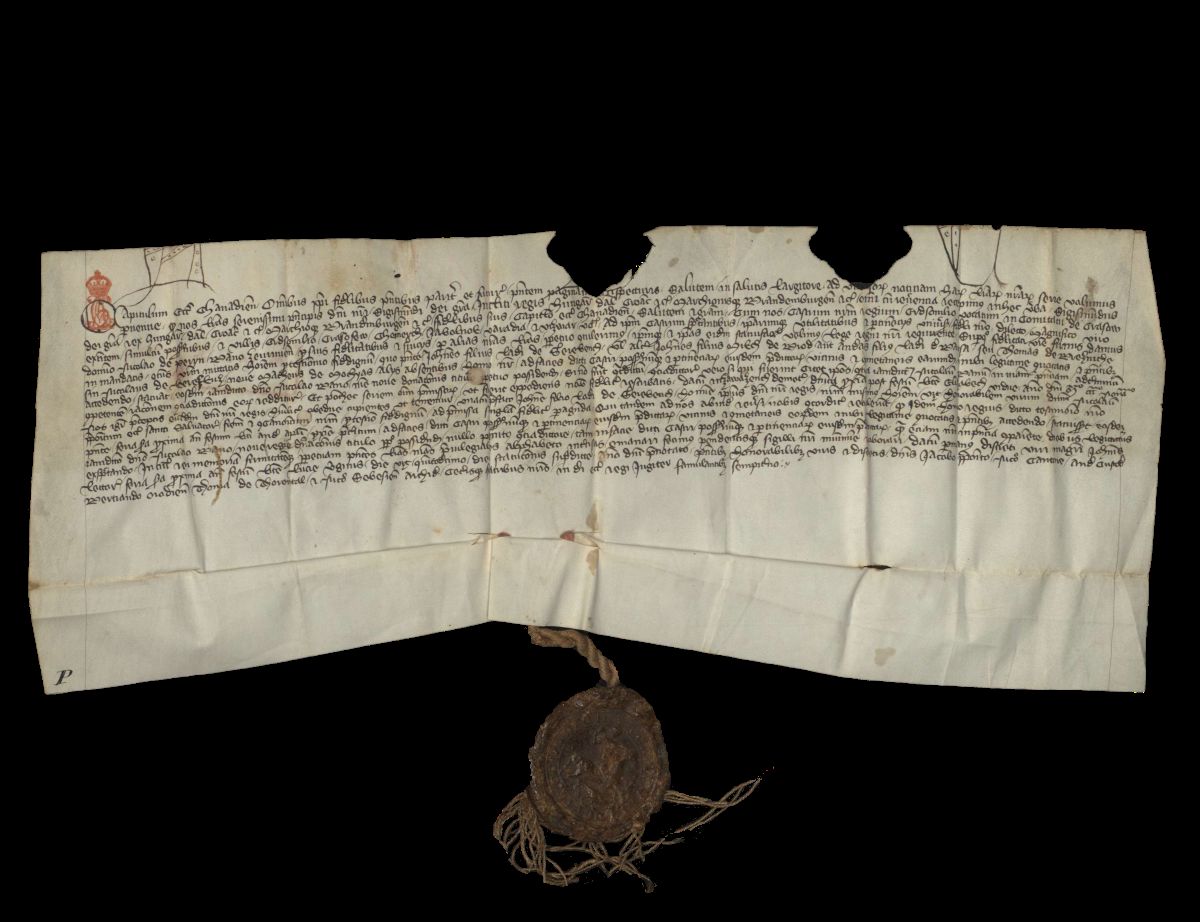
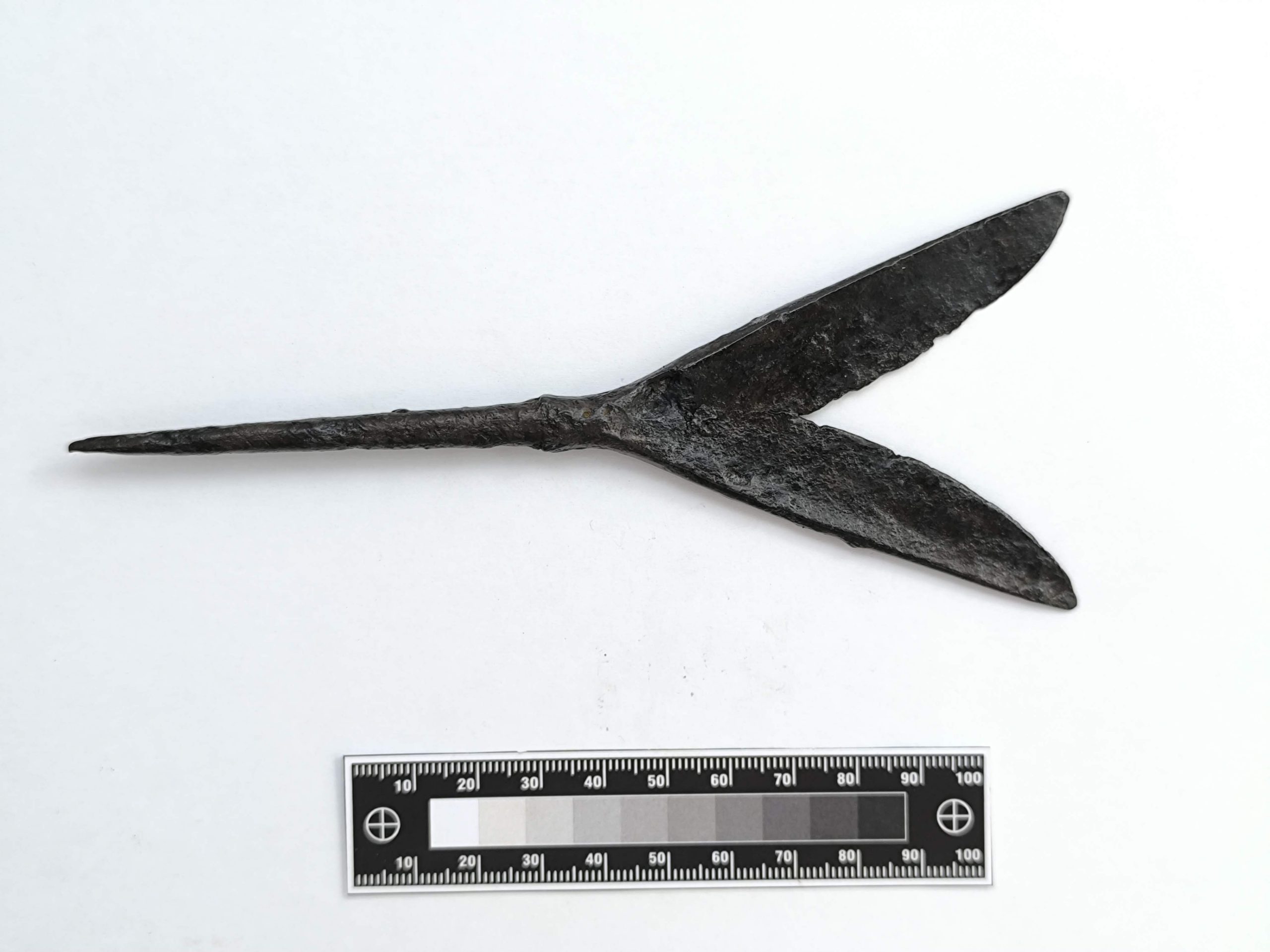
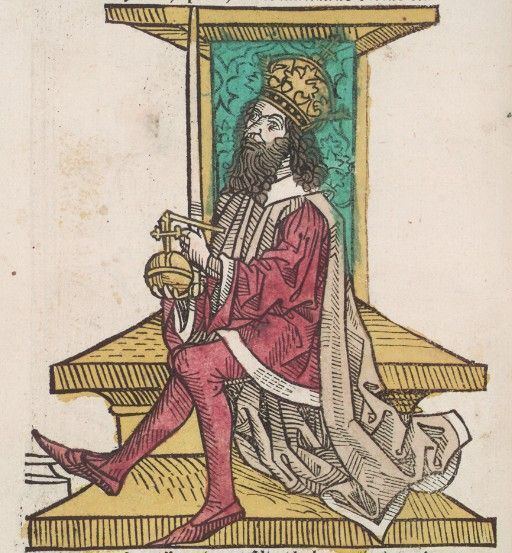
• The fortress was held by Nikola Gorjanski the Elder. • After royal succession crises, control frequently changed. • Ottoman raids became an increasing threat after 1389. • King Sigismund personally stayed at Erdšomljo. • The area suffered repeated devastation.
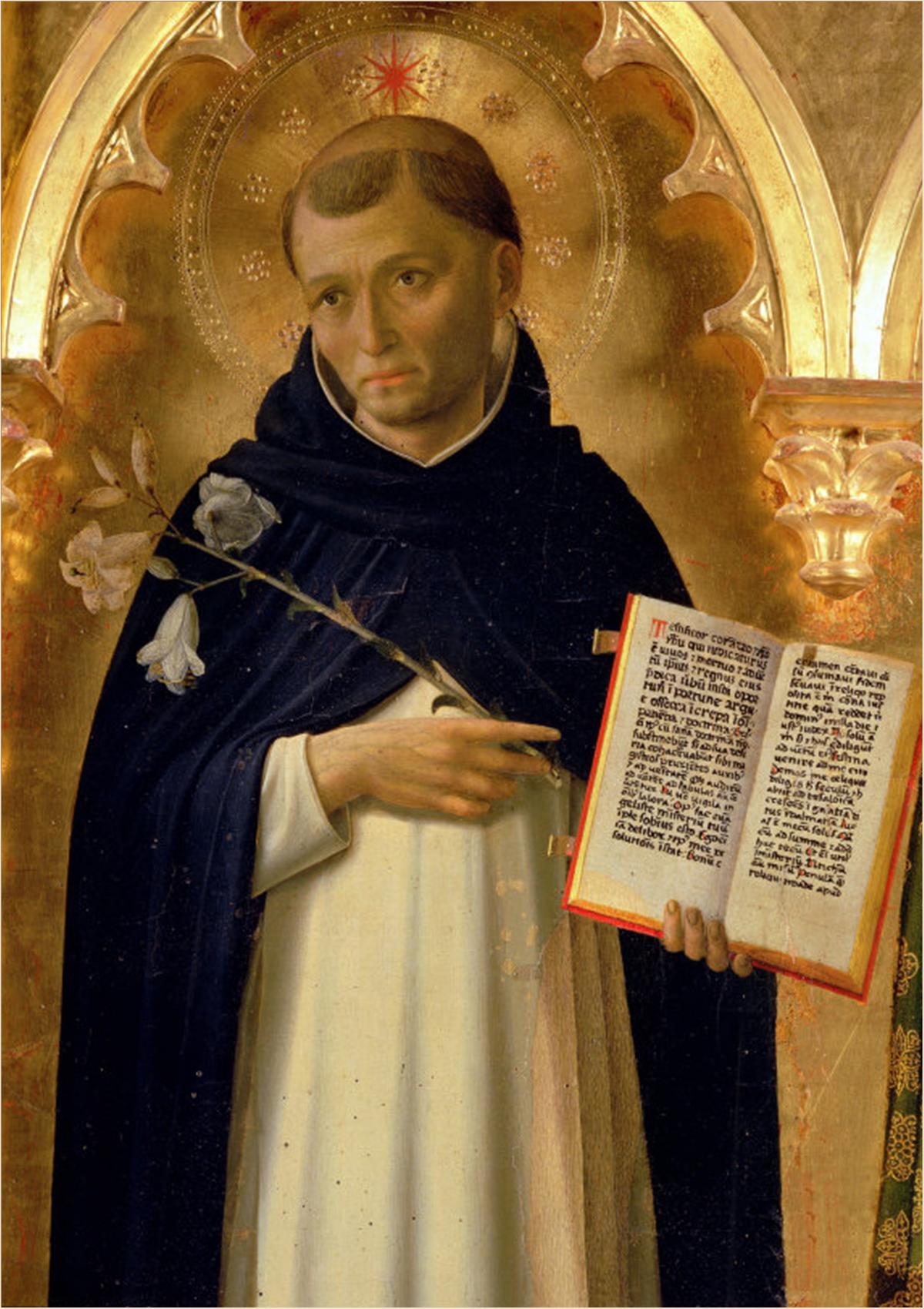
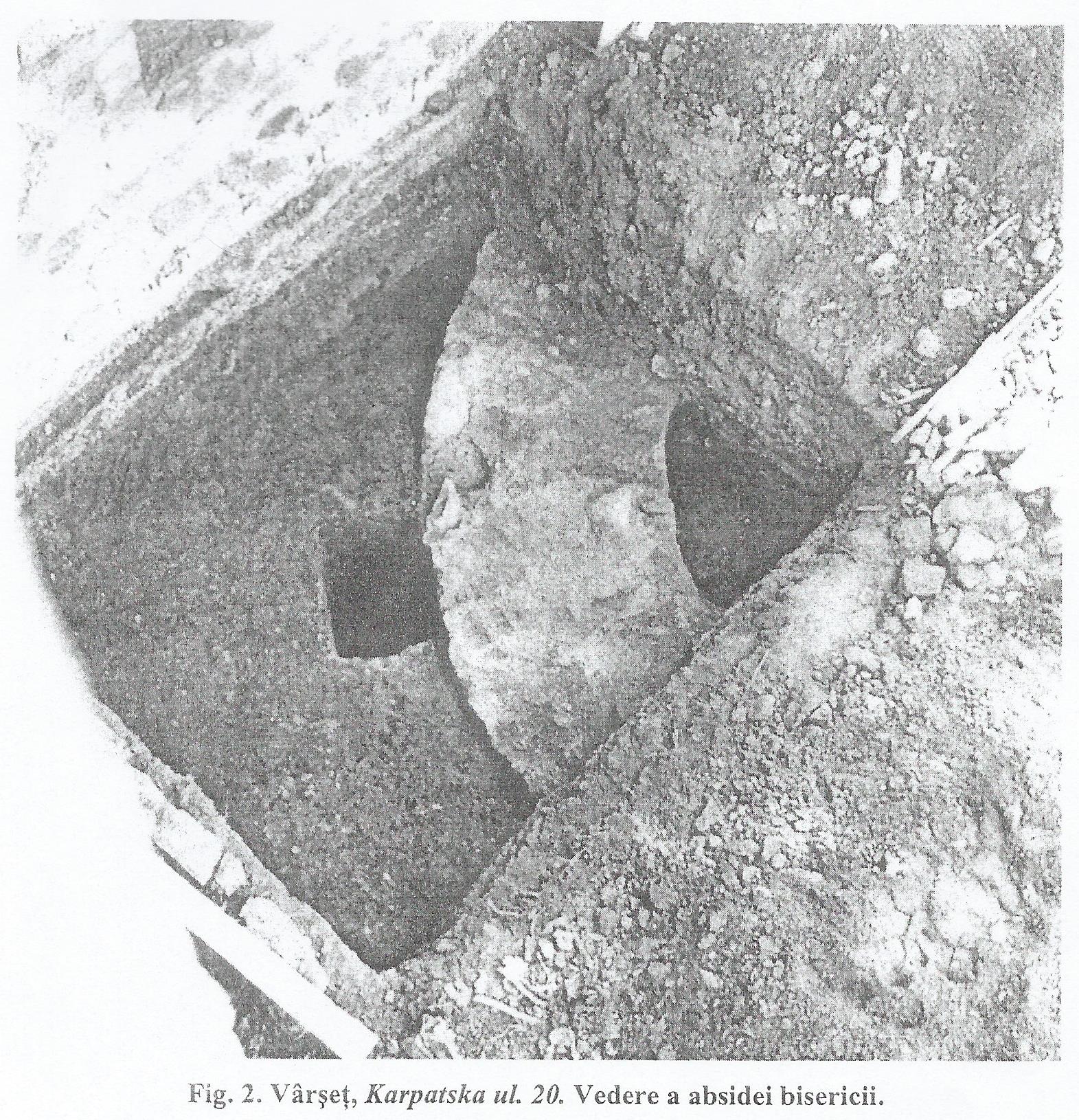
A Dominican monastery was founded in the early 13th century. Erdšomljo appears in papal tithe records. An Augustinian monastery may have existed later. Archaeological remains of churches were found on Vršac Hill. Orthodox monastic life likely developed during this period.
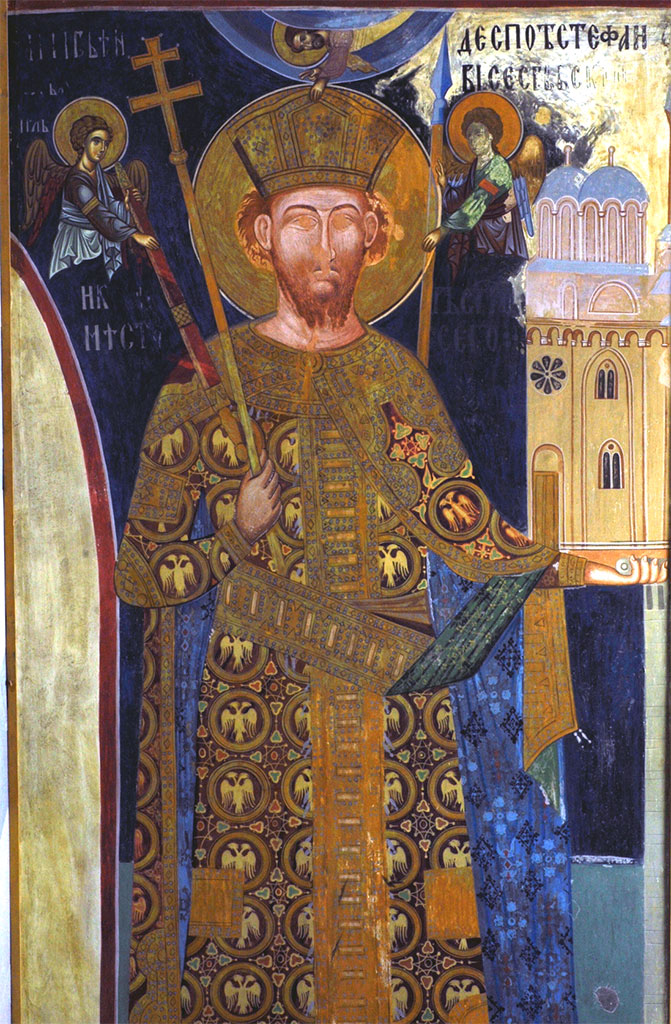
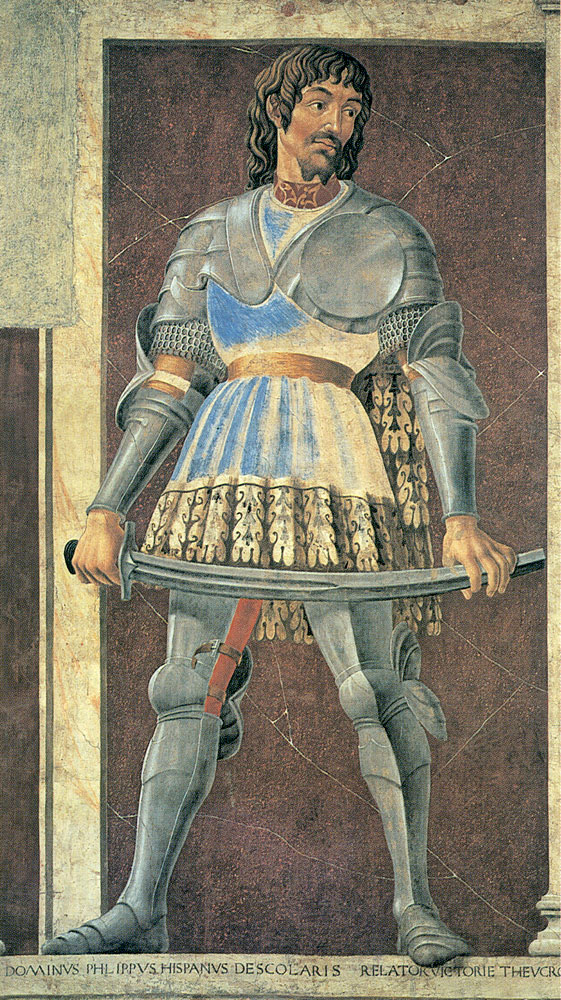
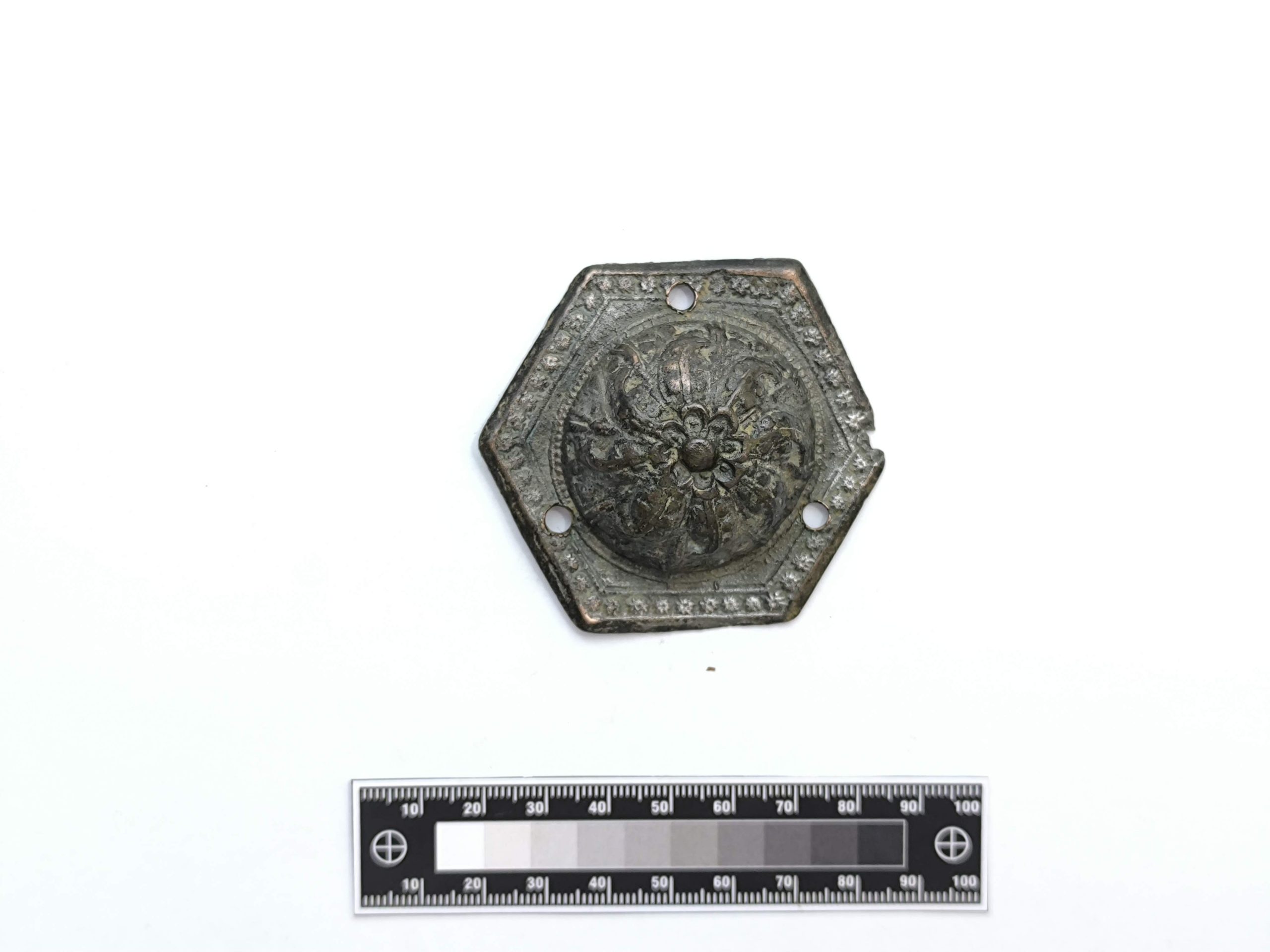
• After Nicopolis, Hungary strengthened its southern defenses. • Despot Stefan Lazarević became a vassal of King Sigismund. • Erdšomljo likely entered Serbian despotate control in the early 15th century. • It was integrated into the Serbian defensive system. • Serbian settlement in Banat increased during this time.
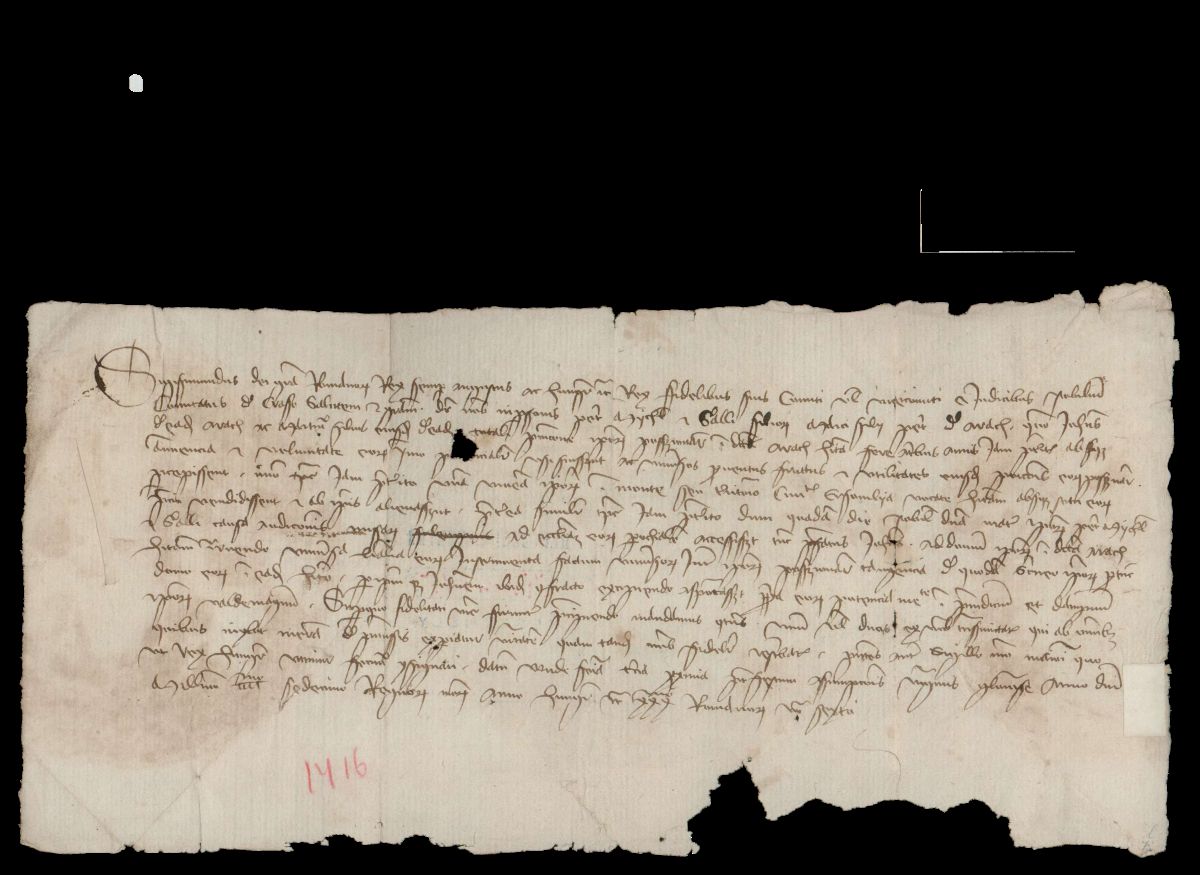
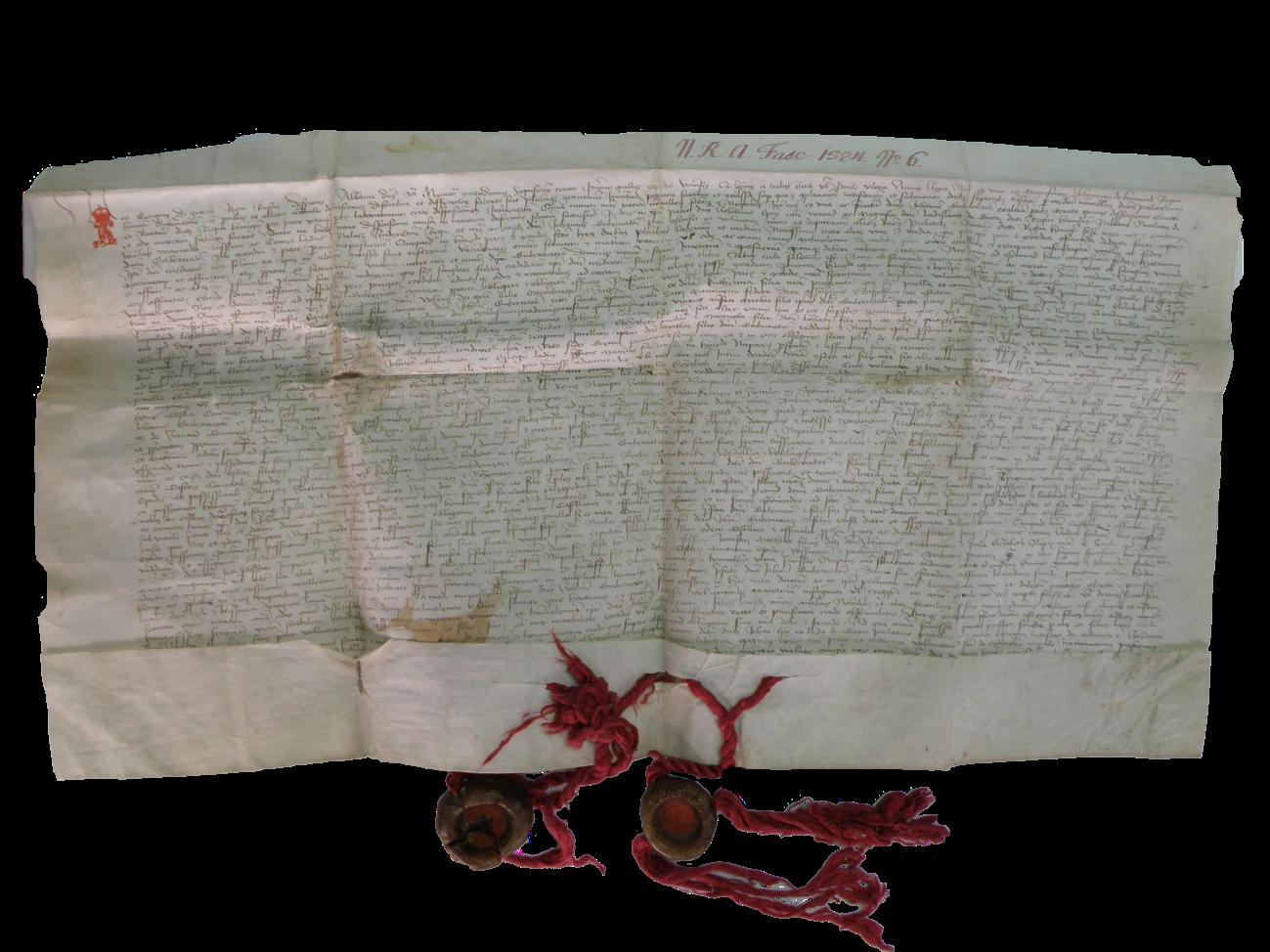
Medieval Hungary had settlements of different legal status. Erdšomljo functioned mainly as a market town. Royal charters often still described it as a village. Only one document calls it a civitas. Ottoman pressure slowed urban development.

Erdšomljo changed hands between Serbian and Hungarian rulers. Conflicts involved Despot Đurađ Branković and John Hunyadi. The fortress was briefly restored to Serbian control. Final loss followed major Ottoman conquests. Memories of Serbian rule remained strong in local tradition.
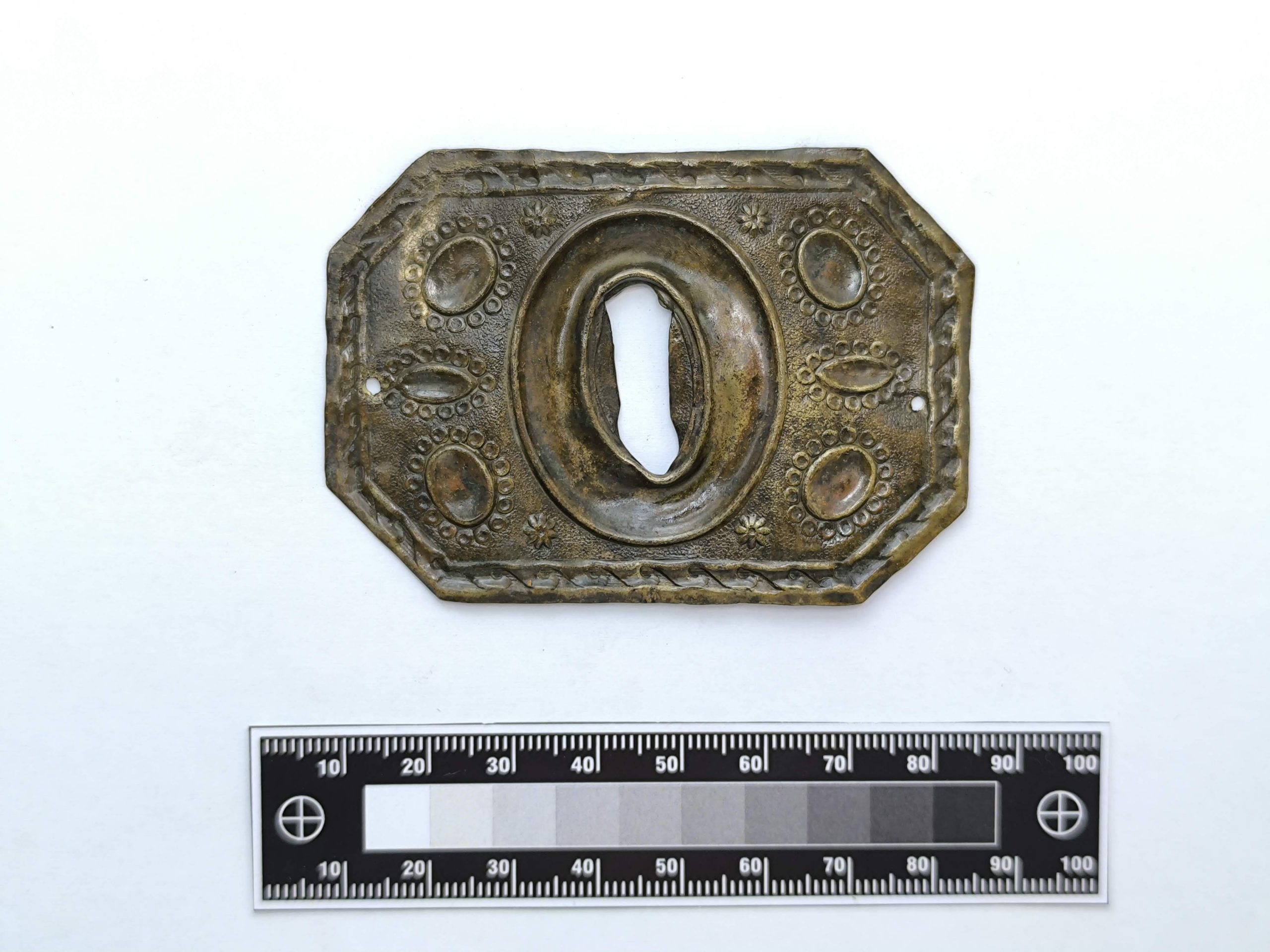
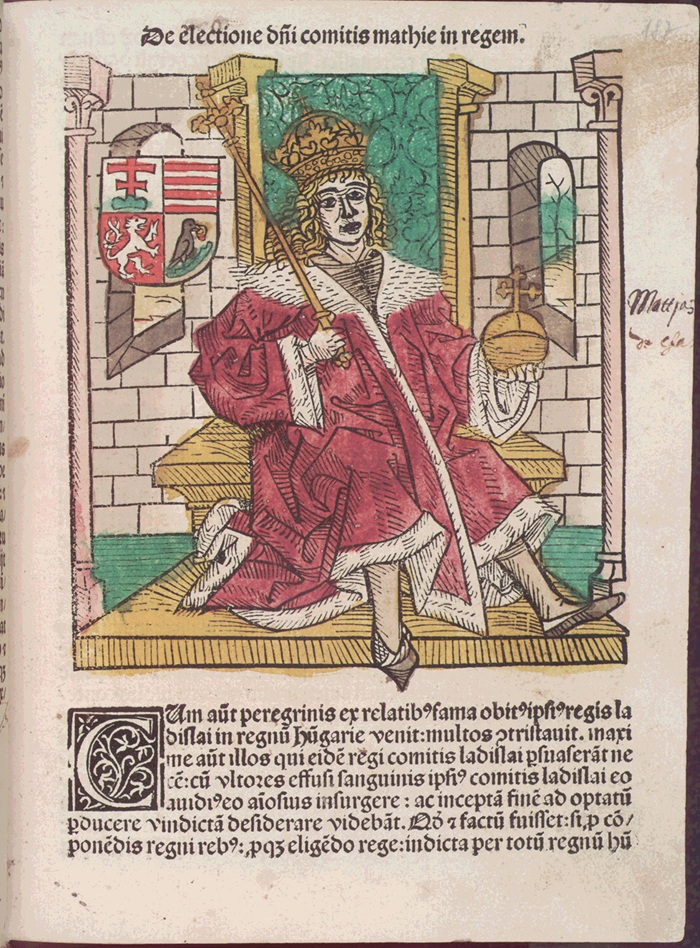
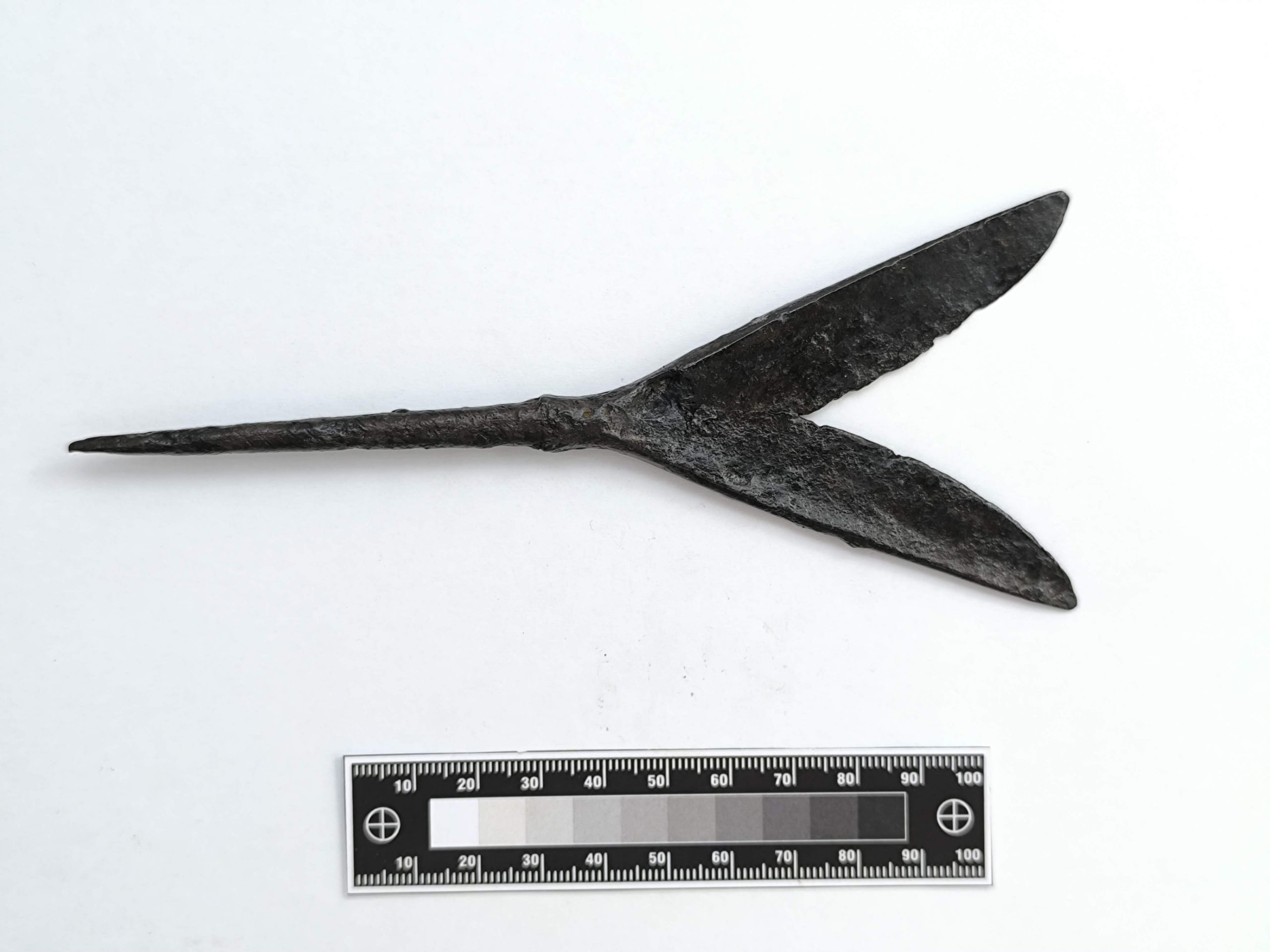
Banat became a frontier zone against the Ottomans. Ottoman raiders devastated settlements and population. Serbs were resettled to reinforce border defense. Many served as soldiers and river troops. Erdšomljo’s military role gradually declined.
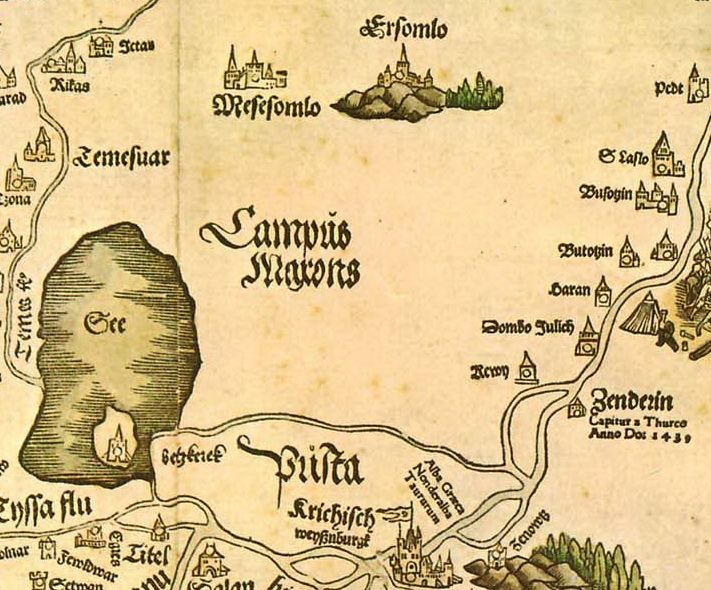
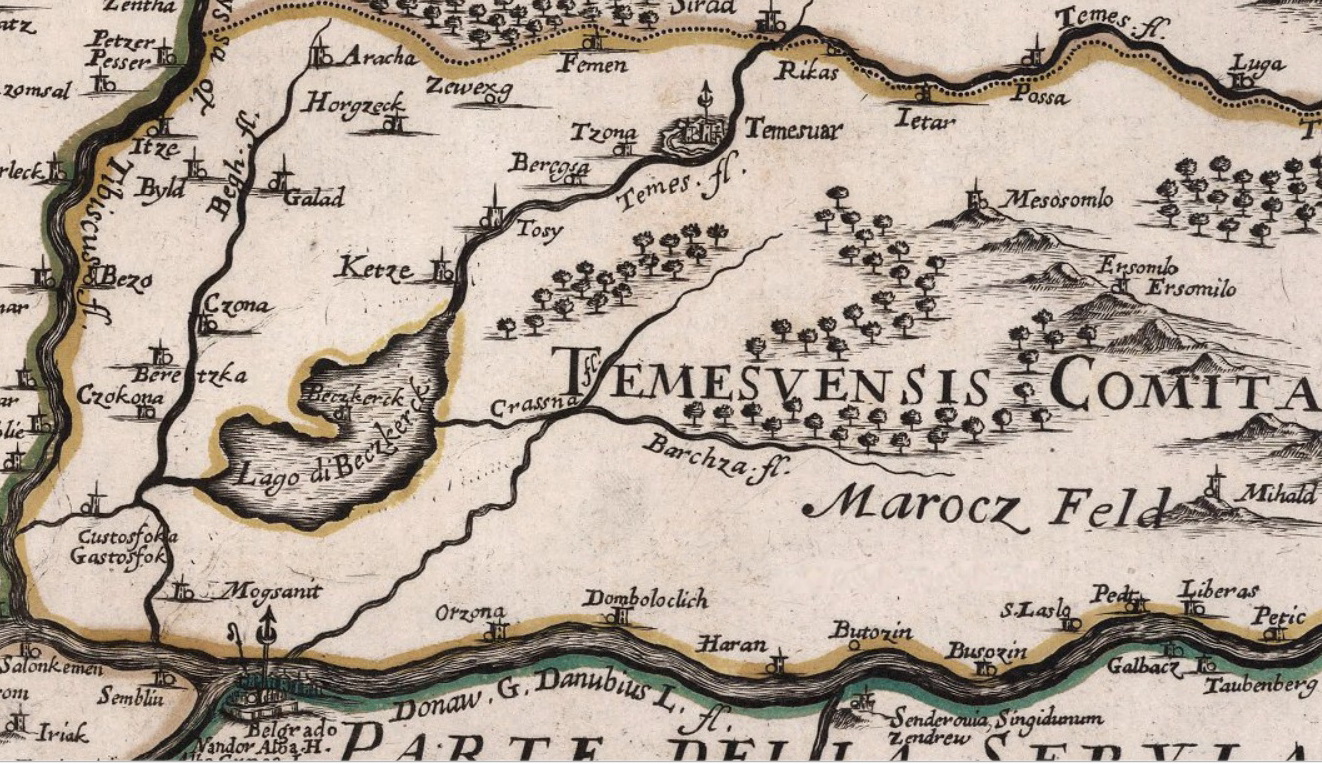
Erdšomljo appears on maps from the late 15th century onward. Early maps show it as a symbolic fortified town. The Lazarus Map depicts it as a dominant hilltop fortress. Later cartographic errors misplaced its location. Correct positioning appeared only in the late 17th century.
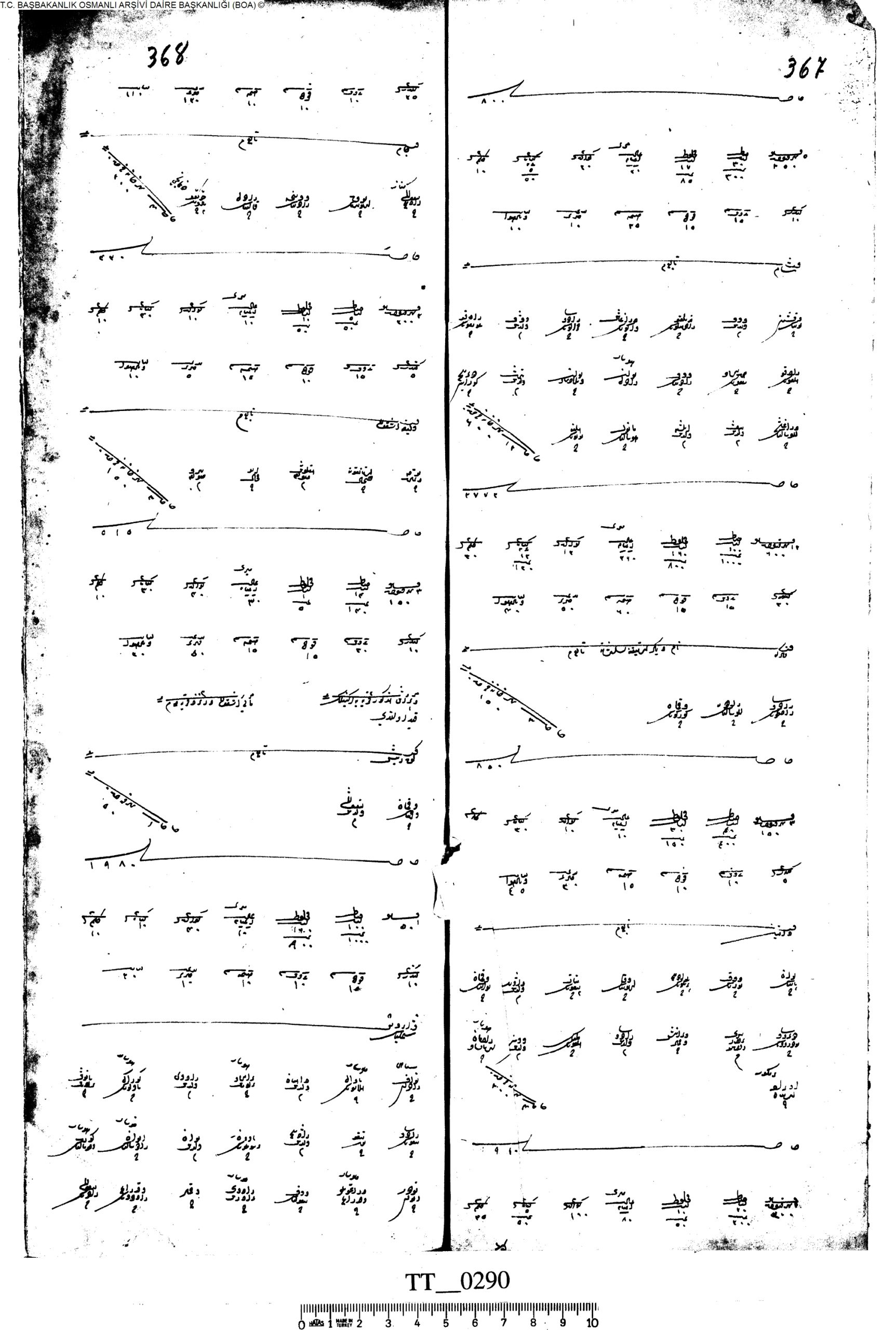
After the fall of Buda, Banat became a battleground. Ottoman sources describe the region as a Serbian refuge. Mehmed Pasha Sokolović led the conquest of Banat. Erdšomljo likely fell during this campaign. Ottoman rule was established by the mid-16th centu

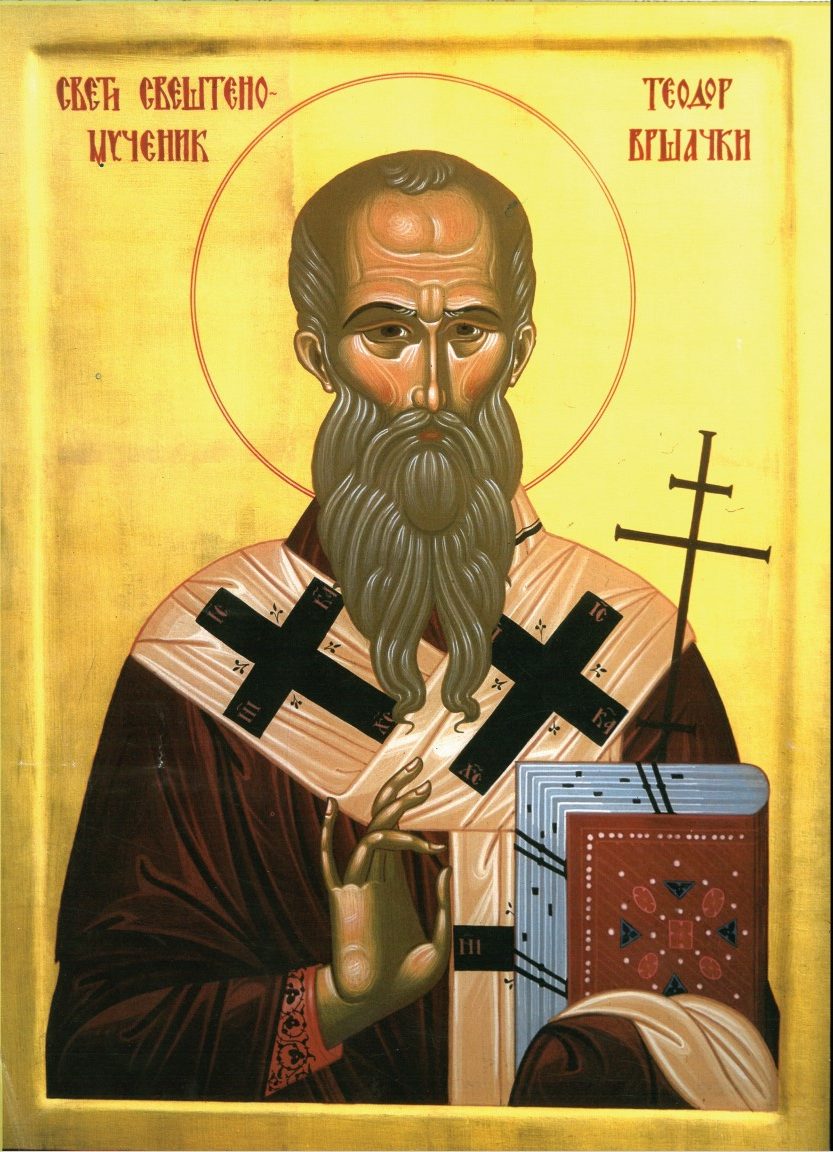
• Heavy taxation and abuses led to rebellion. • Serbian forces captured Vršac early in the uprising. • Orthodox clergy played a key leadership role. • The revolt was eventually crushed by Ottoman forces. • Serbs remained the core of the local garrison.
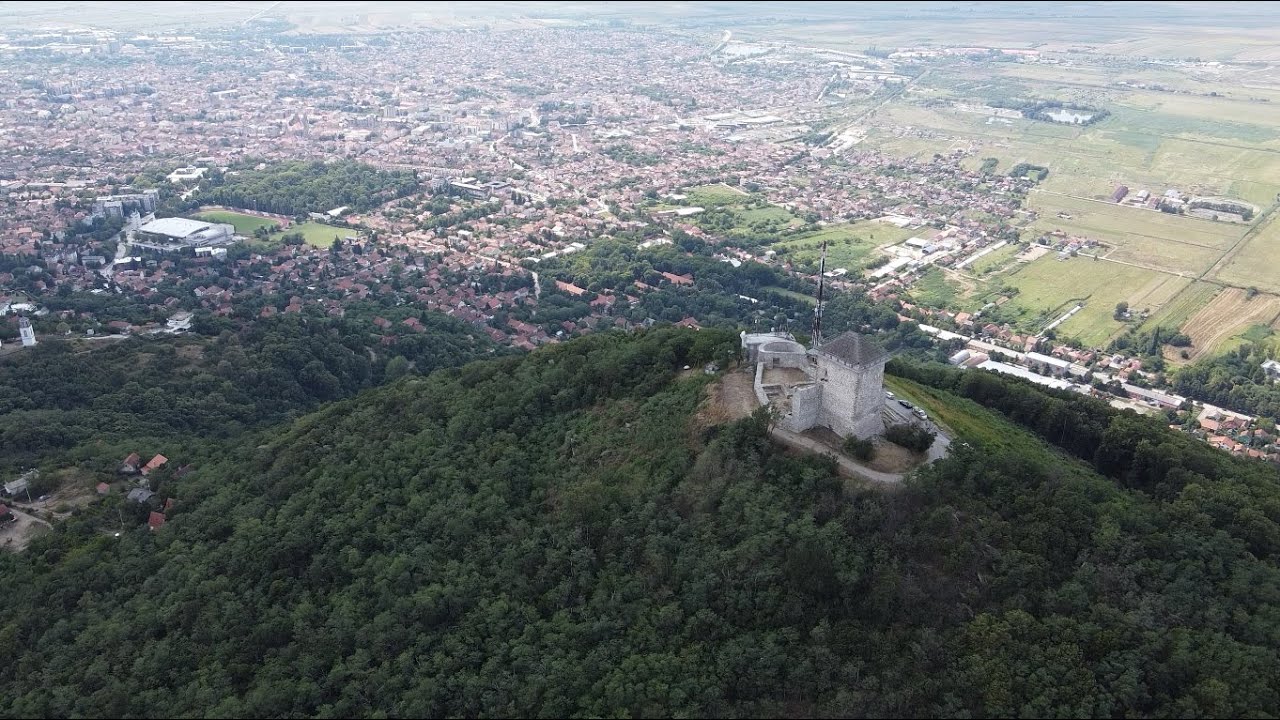
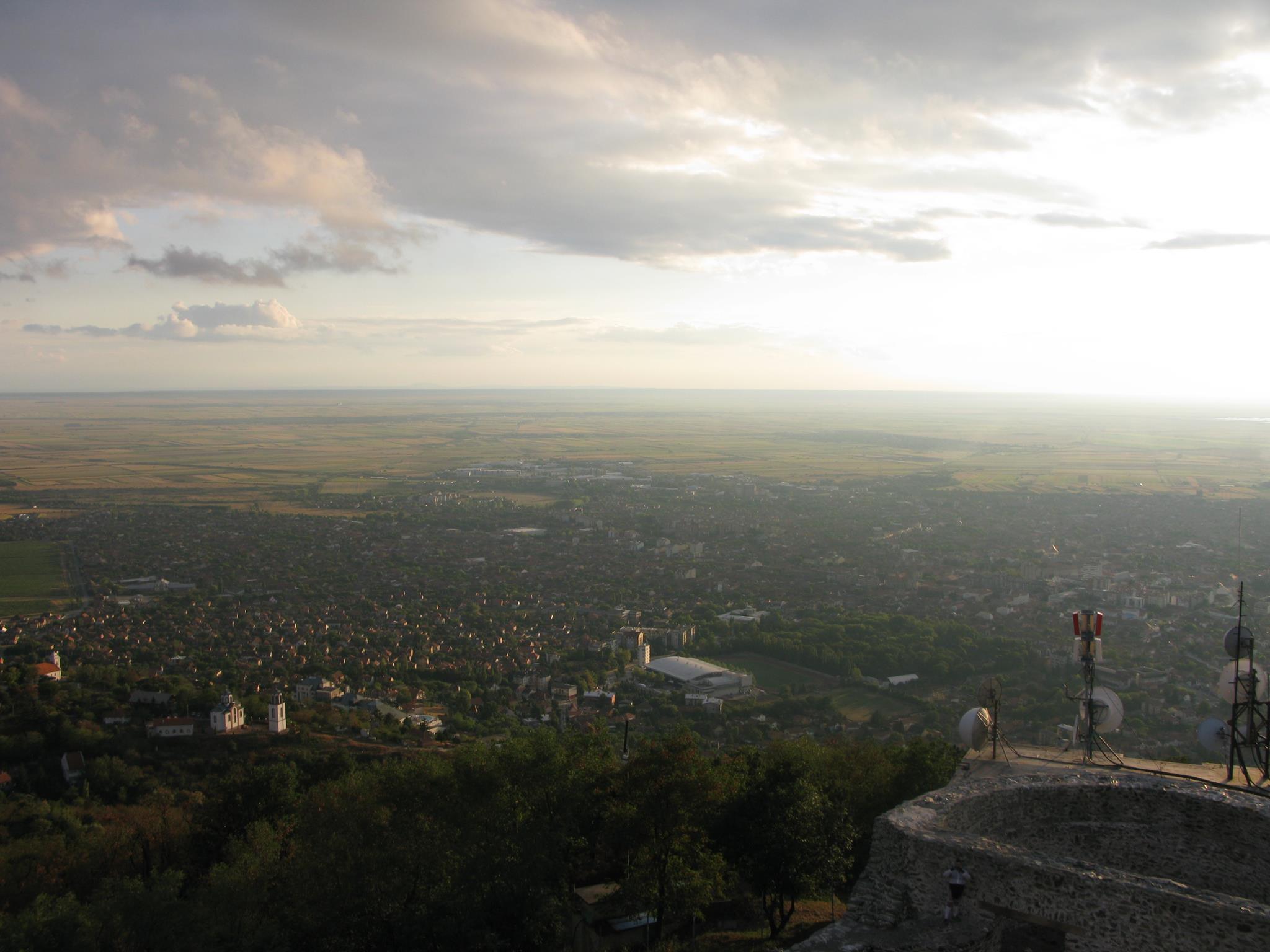
• The ruins preserve centuries of layered history. • Vršac Fortress witnessed borders, rulers, and conflicts. • Its tower remains a landmark above the town. • The site connects landscape, memory, and heritage. • A lasting symbol of medieval Vršac.
Supported by Ministry of Culture of Republic of Serbia, in 2025.
