Trg srpskih dobrovoljaca 21, Kikinda 23300
Tue – Sat 10am–8pm
Sun and Mon closed
+381 230 421 239


Trg srpskih dobrovoljaca 21, Kikinda 23300
Visit the Kikinda National Museum, a place that reveals interesting stories from the Pleistocene to the 20th century!
 @NMKikinda
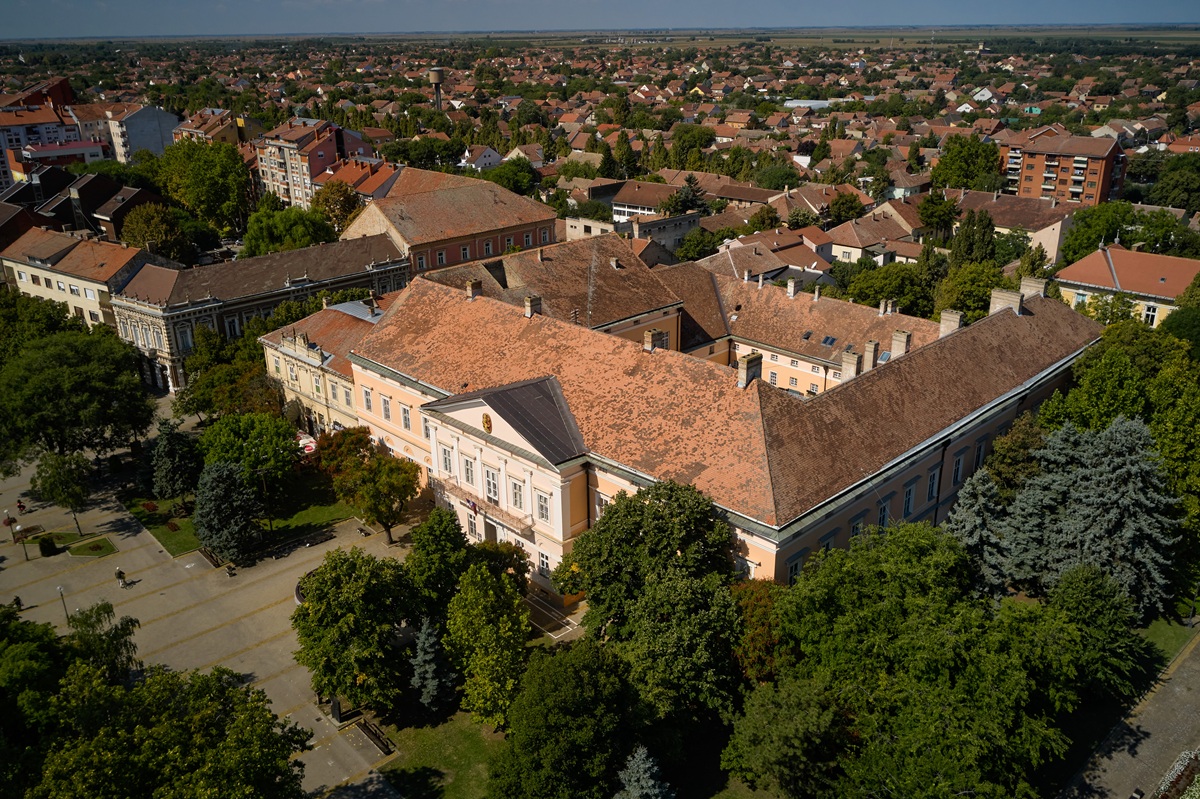
The oldest one-storey building in Kikinda, built in 1839, known as the Curia (“Curia” – courtroom). Once the seat of judicial and administrative authorities of the Great Kikinda District and the Royal Court until 1876. The building originally contained around forty prison cells; today it houses museum storage rooms. The...
 @gmkikinda
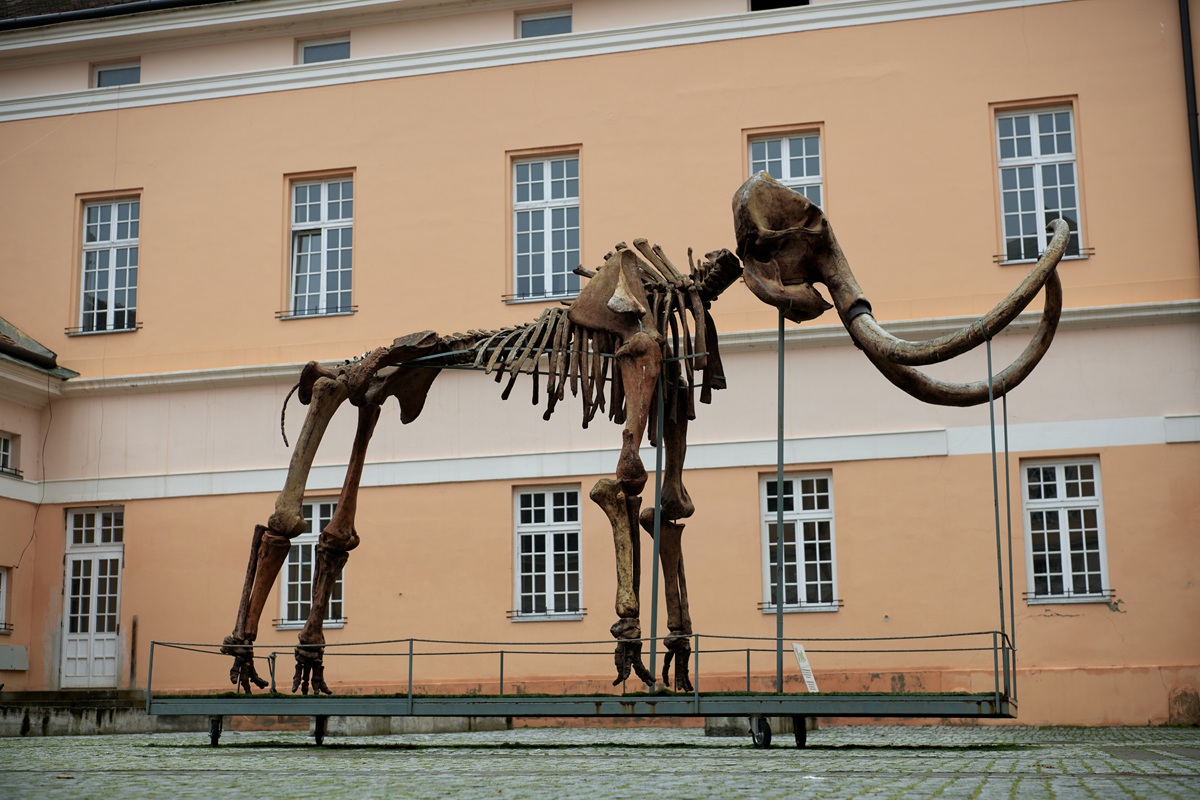
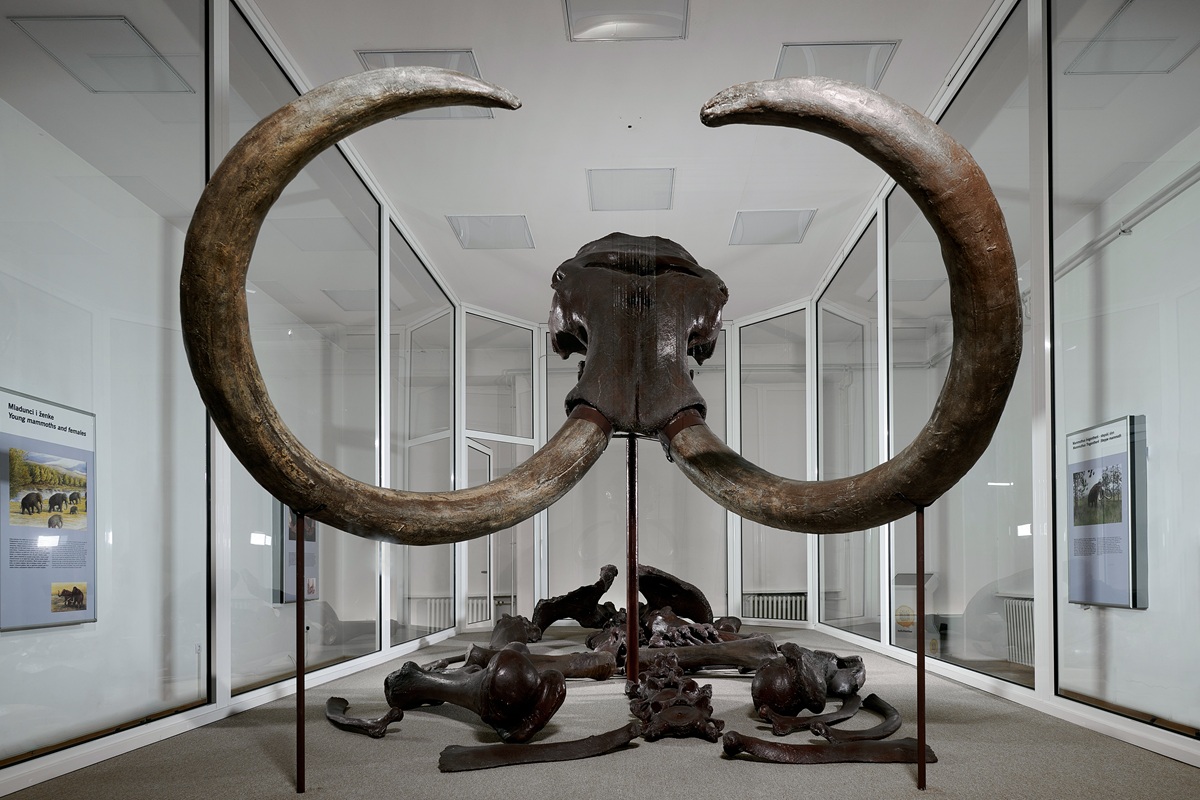
The most famous prehistoric inhabitant of Kikinda, around 500,000 years old. She lived during a humid steppe era filled with mammoths, hyenas and rhinoceroses. Discovered in 1996 at the “Toza Marković” brickyard during clay excavation. Experts identified bones, tusks and the skull — major research soon followed. Steppe mammoth: over...
 @nmkikinda
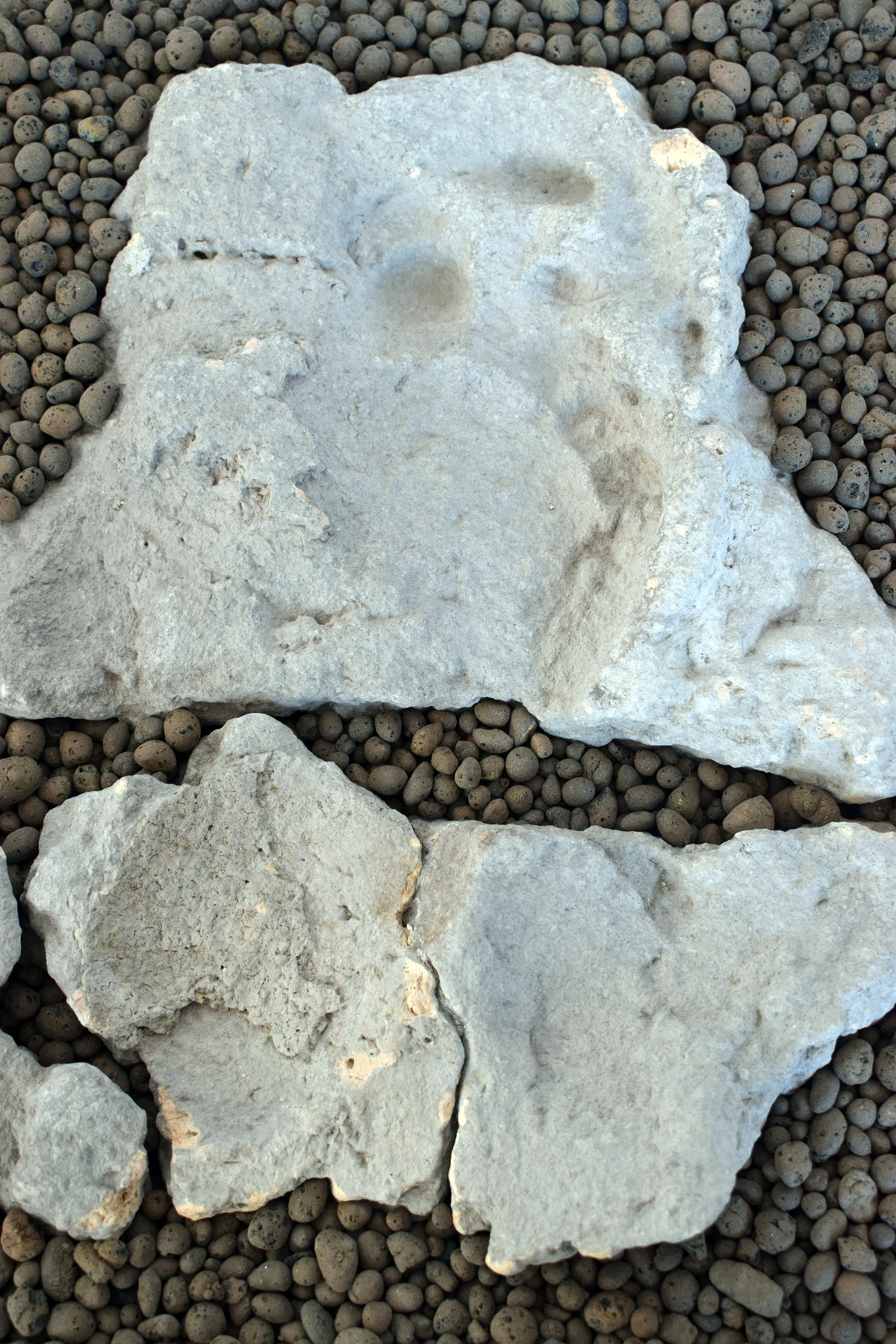
The first inhabitants of Banat lived here around 8,000 years ago. The oldest Neolithic site was discovered near the village of Iđoš, 7 km from Kikinda. Finds include clay vessels, net weights, stone axes, bone awls and figurines with human/animal traits. A preserved human footprint in the house floor offers...
 @nmkikinda
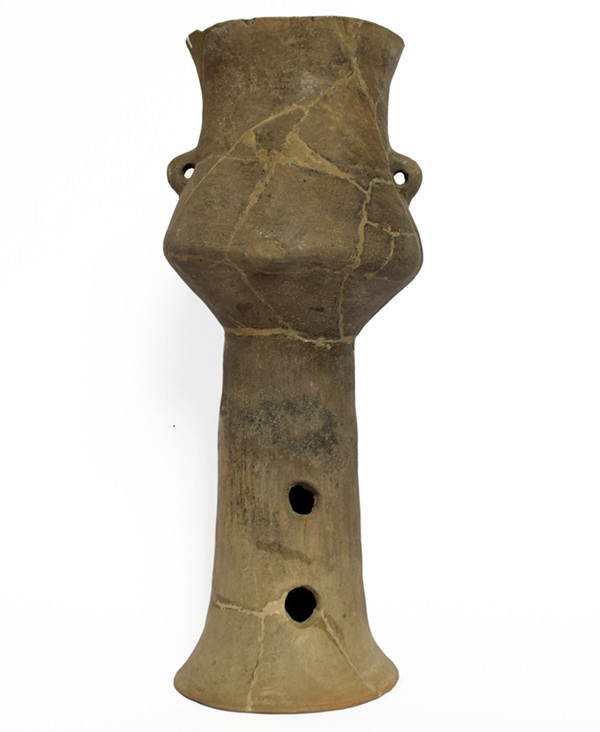
Prehistoric communities buried their dead on elevated terrain; therefore, necropolises are common in northern Banat. Key sites: Podlokanj, Mokrin, Ostojićevo and Iđoš (marked in orange on the map). They belong to the Metal Ages — the Copper and Bronze Ages. The oldest site is the Copper Age necropolis in Podlokanj....
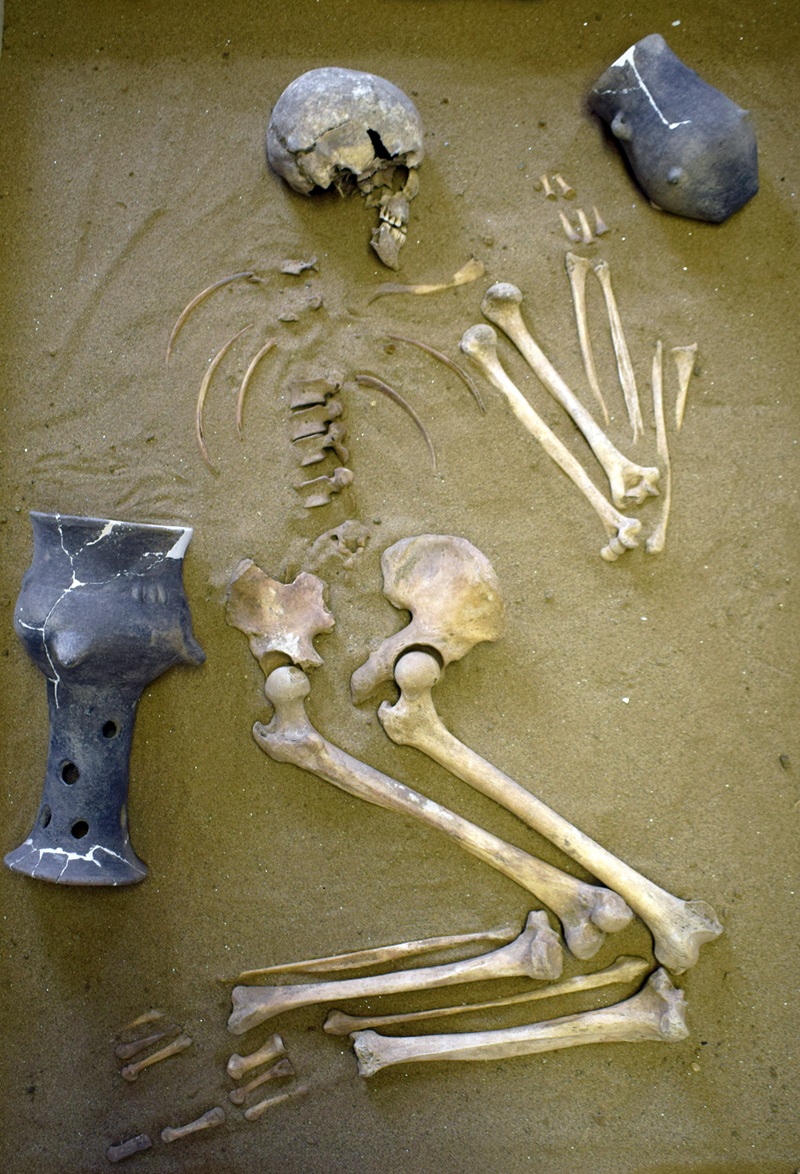
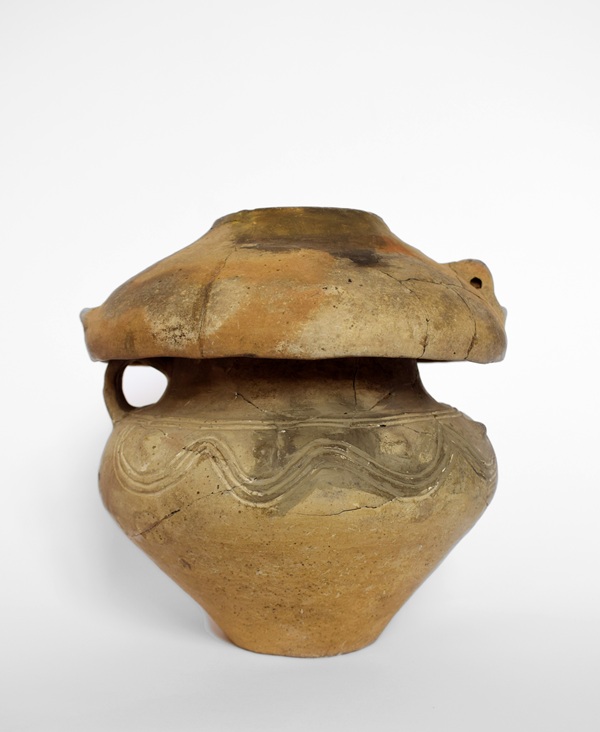
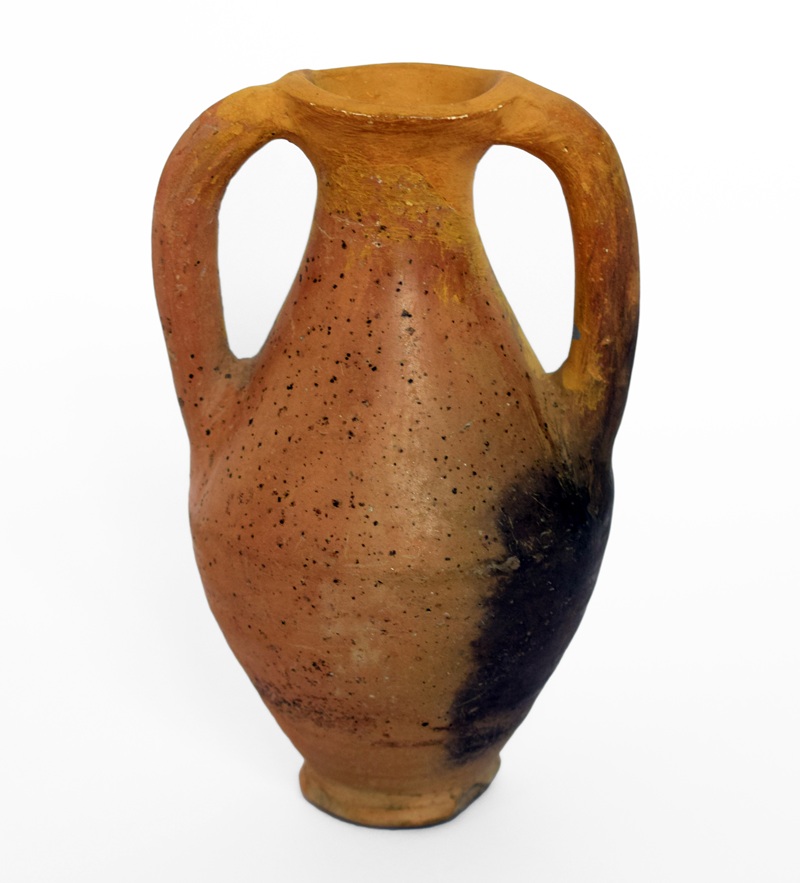
• The necropolises of Mokrin and Ostojićevo date to the Early and Middle Bronze Age. • 312 graves were found in Mokrin and 285 in Ostojićevo — people of all ages were buried there. • Bone analysis reveals diet, health, sex, age and social status. • Grave vessels served for...
 @nmkikinda
Most of Europe belonged to the Roman Empire; its influence reached Banat as well. The nomadic Sarmatian people lived in northern Banat, partly adopting Roman products and style. The Great Migration of Peoples brought many groups across this territory. From the 6th century, Avars stayed longer; later they were assimilated...
 @nmkikinda
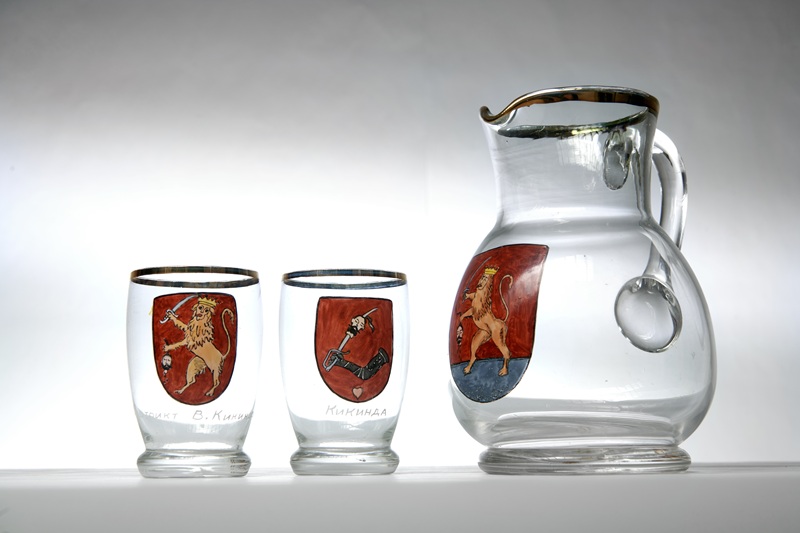
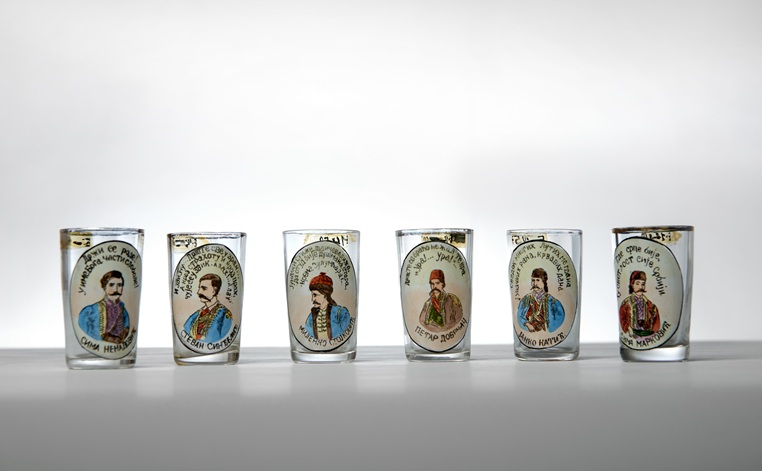
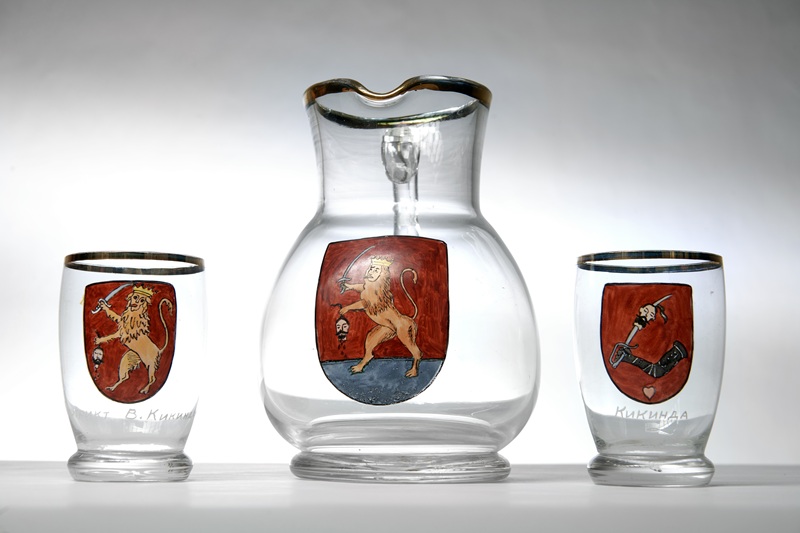
A reconstruction of a typical Banat house from about 100 years ago. Furniture, household items and clothing illustrate everyday domestic life. On the dresser are glass vessels from the workshop of Uroš Čavić. Čavić’s workshop was the only glass-painting studio in Vojvodina in the late 18th and early 19th century....
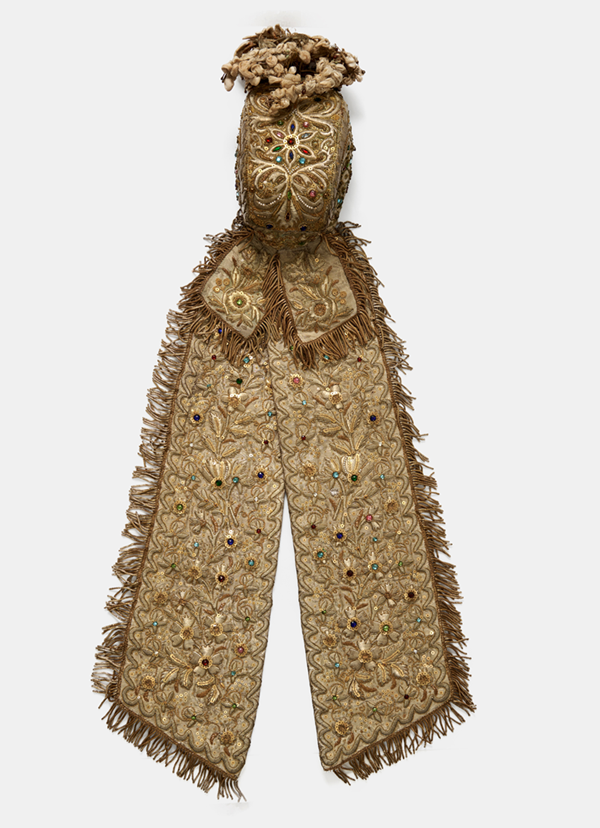
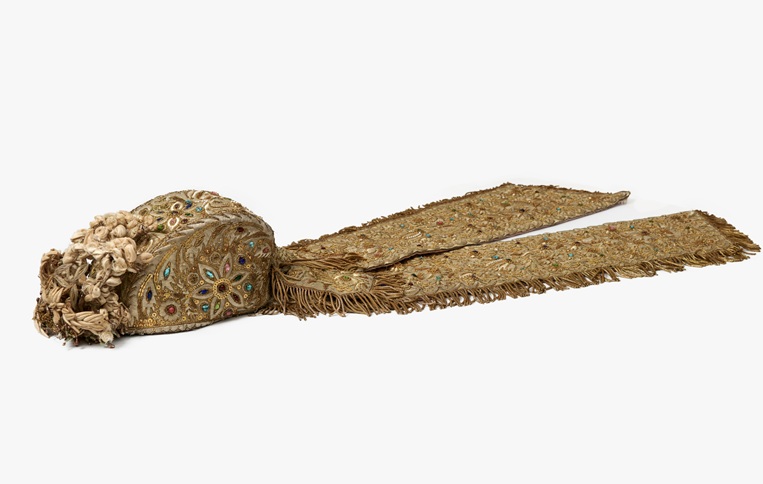
Displayed are Serbian and Hungarian traditional costumes. A special item: the goldsmith’s cap from the village of Melenci, made by Kata Lončarski – “the Goldsmith”. Made of silk and brocade, decorated with gold embroidery, gemstones and pearls. A symbol of prestige in the 19th and early 20th century. A mother-in-law...
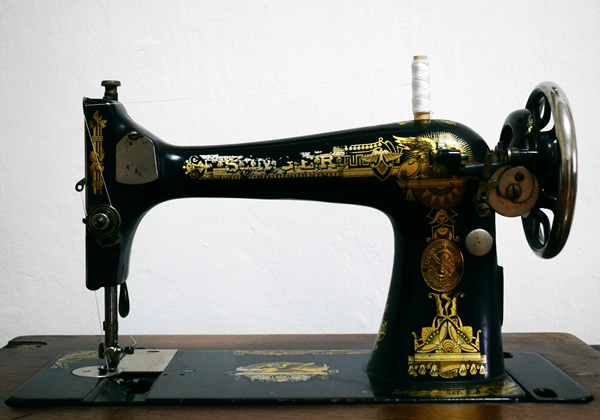
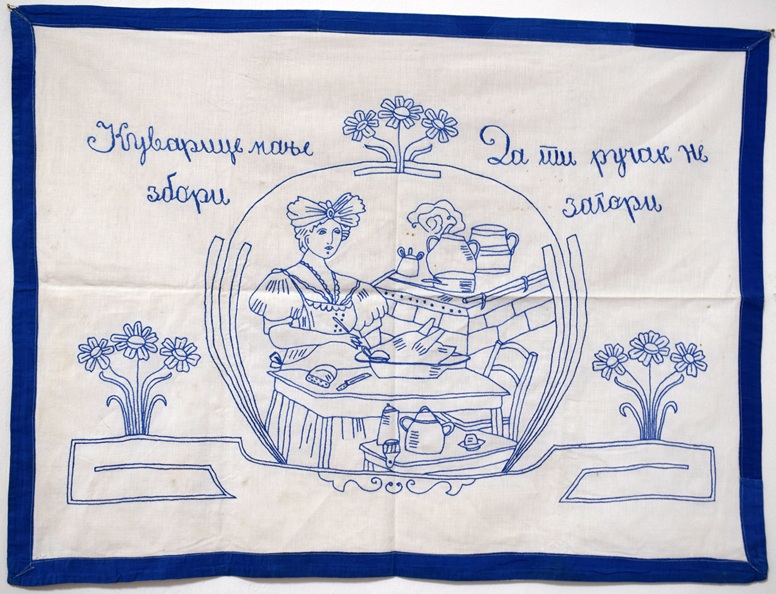
Displayed items include a Singer sewing machine, laundry press (“rolja”), cradle, kitchen furniture, dishes and wall plates. A “dozidnica” or “kuvarica” — a decorative cloth above the stove, often bearing humorous sayings. The large wooden object is an ice chest — a precursor to the refrigerator; a wooden box lined...
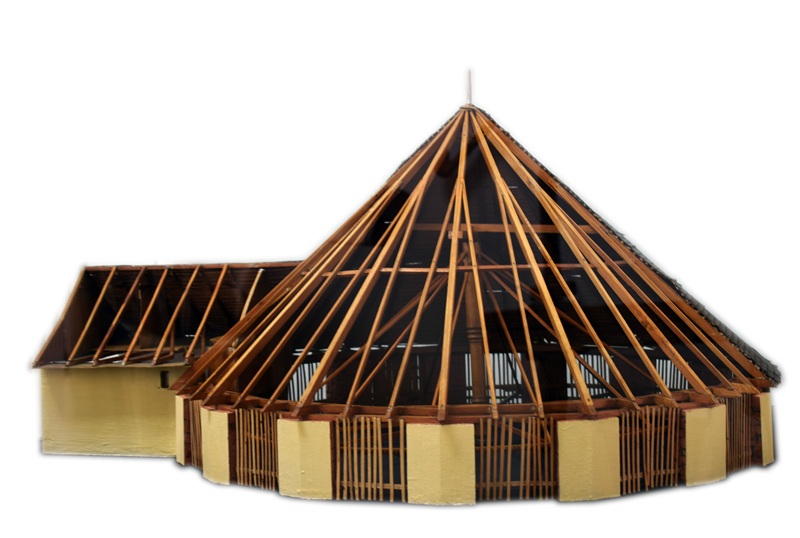
Models show typical Banat houses of the 18th and 19th centuries. Building materials: earth, clay, straw, chaff, reeds and wood. Houses had two rooms (for guests and daily life), a kitchen and a hallway.Although an entrance existed facing the street, people usually entered from the yard where daily life unfolded....
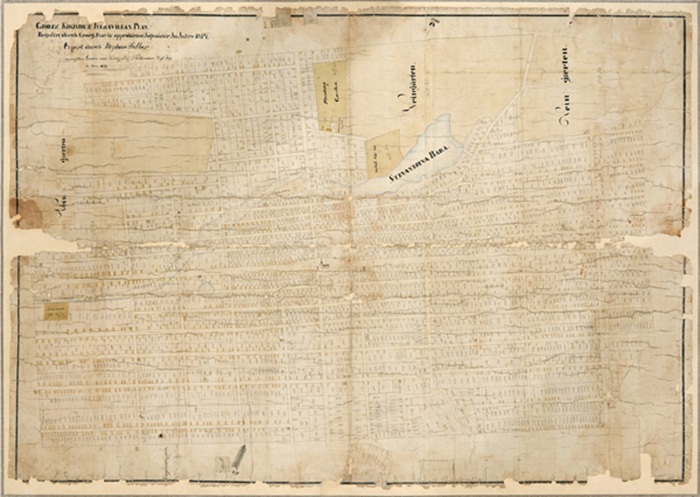
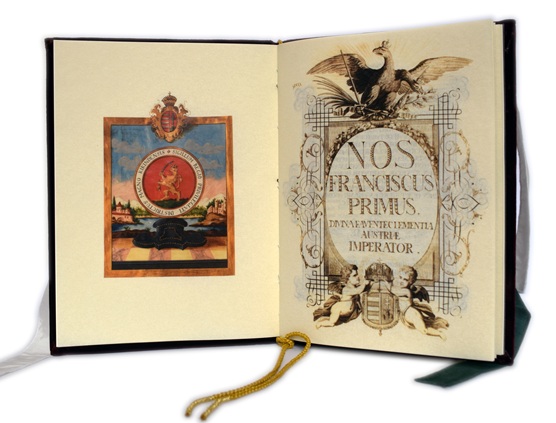
Kikinda is a relatively young town, formed in the mid-18th century. It was settled by Serbian border guards from Pomorišje; legend speaks of founder Captain Kristifor Kenđelac. The town was built according to an urban plan by Count Claudio Mercy — streets at right angles and a central square. Old...
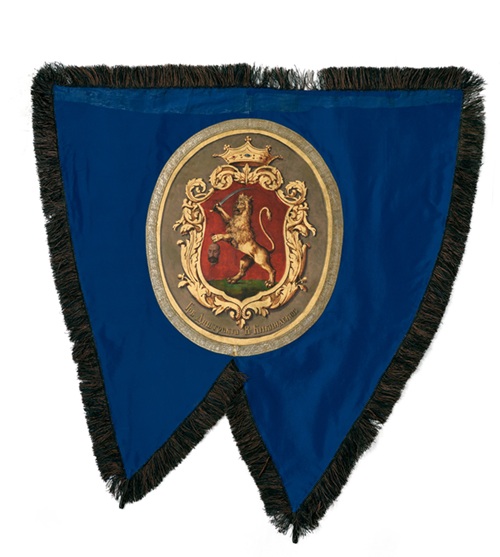
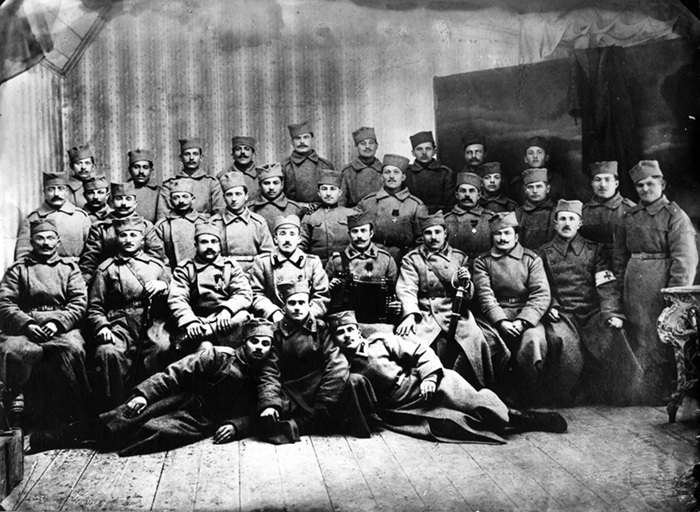
Displayed objects testify to the wars of the 19th and 20th centuries. 1848–1849: Kikinda was struck by the revolution; conflicts began socially and ended ethnically; the town was burned several times with heavy losses. World War I: thousands were mobilized; citizens fought on several fronts; volunteers aided the breakthrough of...
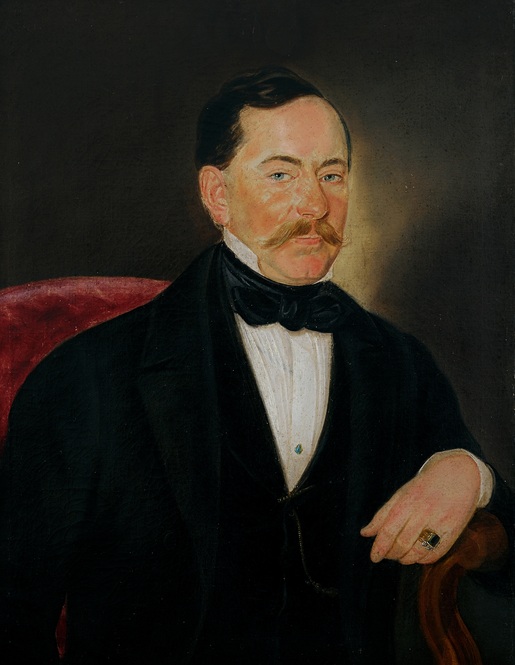
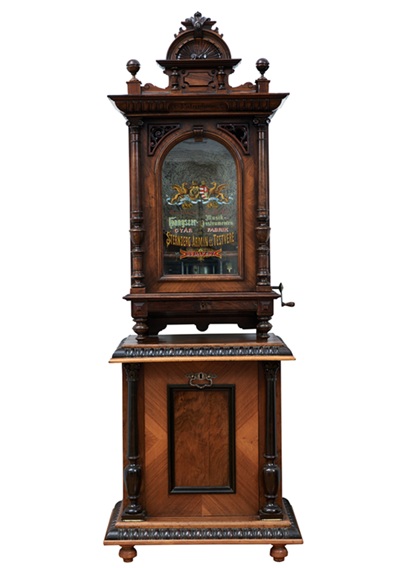
A period of prosperity in the second half of the 19th century. Industrial development: milling, clay exploitation and the railway. The railway connected Kikinda with Szeged and Timișoara. A late-19th-century city map shows that the town’s layout changed very little. Portraits of notable citizens hang on the walls (paintings by...
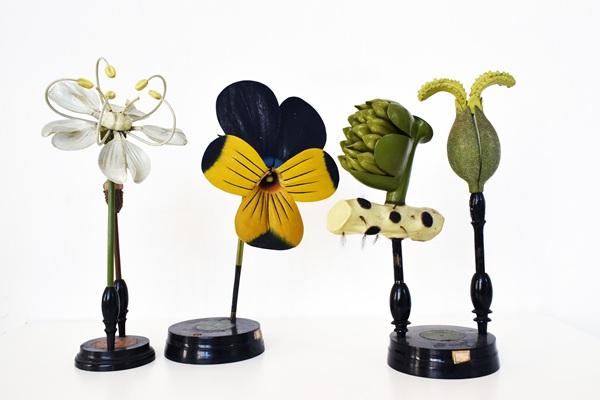
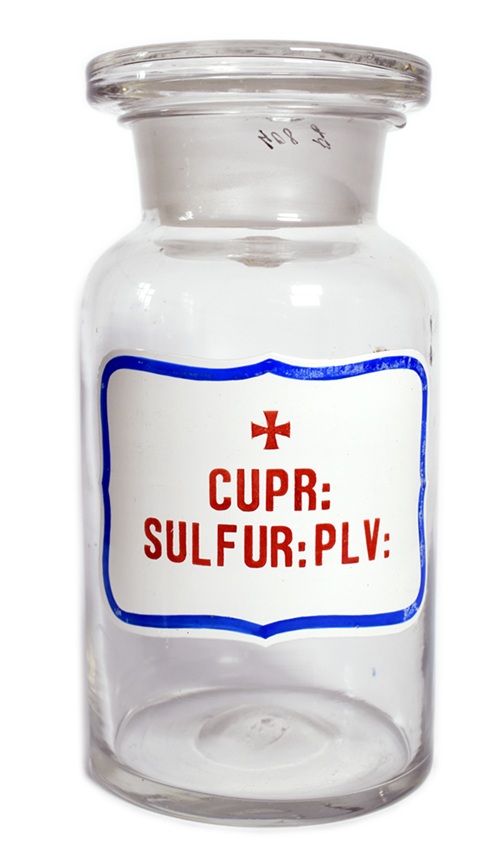
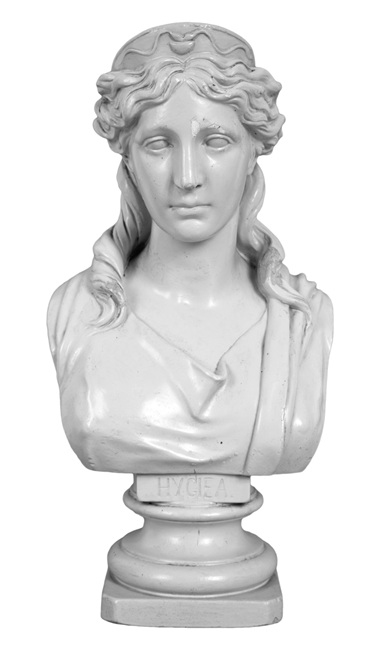
Education in Kikinda developed in the late 19th century; a Natural Science Museum was formed within the Grammar School. Teaching included zoology, botany, mineralogy and systematics. Displayed are authentic biology teaching models from the late 19th and early 20th centuries (charts, plant, bacteria and fungus models, rocks, minerals, fossils, animal...
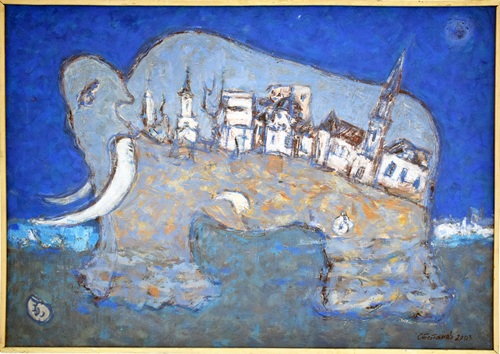
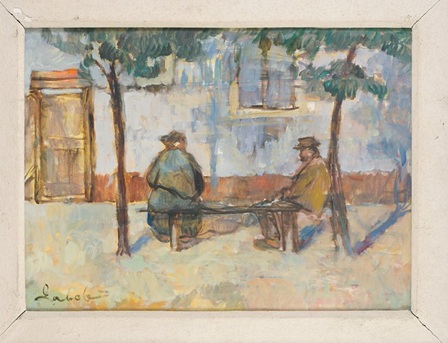
The hallway displays contemporary artworks by Kikinda artists from the second half of the 20th century to today. Each artist is represented by one work, offering insight into the diversity of local art. Common themes: plain landscapes, distinctive architecture and local mentality. Recommended works: “The Herd Guardian” (Z. Mandić), “Village...
@NMKikinda signs the copyright of the published text content and photos. Supported by The Ministry of Culture and Information of Rep. of Serbia in 2025.
